Virtual Reality's Influence on Roulette Reward Mechanisms Explored
Kai Hoffmann · Jul 23, 2026
Virtual Reality's Influence on Roulette Reward Mechanisms Explored
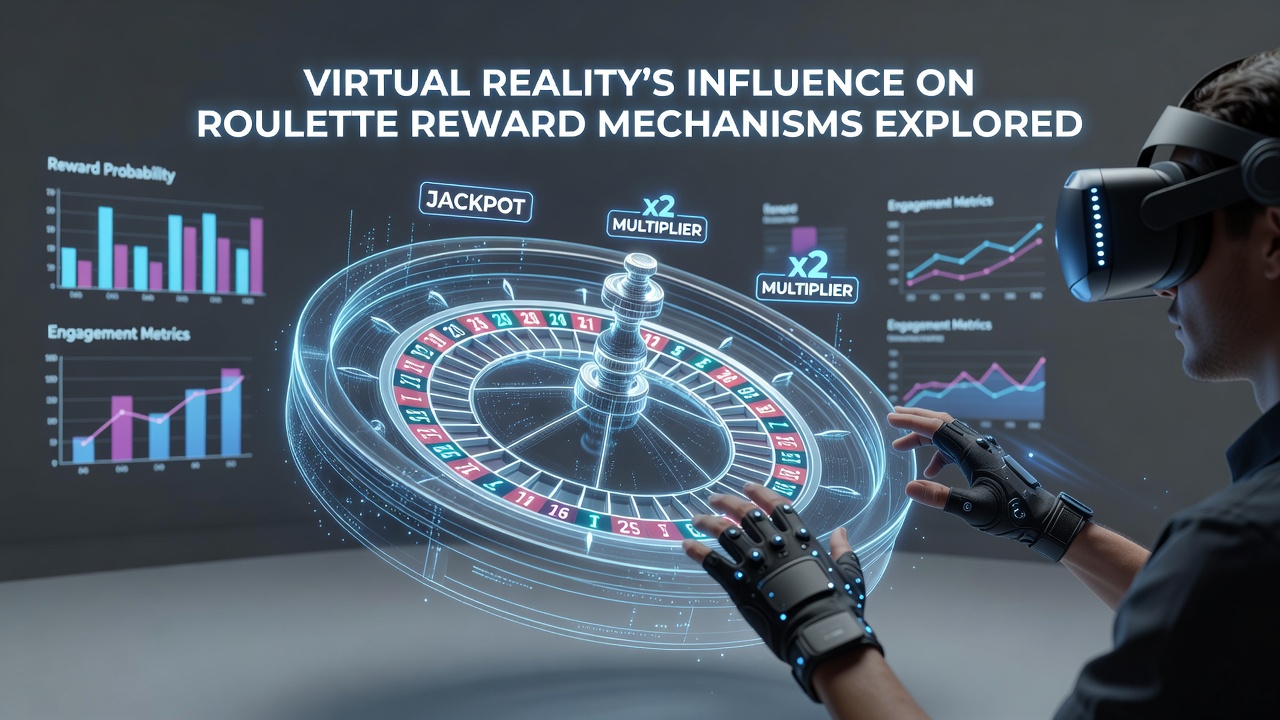
Virtual reality technology continues to reshape roulette reward mechanisms across online platforms as developers integrate spatial computing with traditional game mechanics, and by July 2026 several major operators had rolled out VR-specific loyalty tiers that adjust bonus multipliers based on player movement patterns and session duration within simulated casino environments.
Immersion Alters Reward Triggers
Developers now embed reward systems directly into three-dimensional roulette layouts where players physically reach for chips or lean closer to the wheel, and these actions trigger micro-rewards that accumulate toward larger promotions, whereas earlier flat bonus structures relied solely on wager volume. Observers note that platforms using VR headsets record higher engagement rates because the reward pathways tie to natural gestures rather than button clicks alone, and data from industry reports shows a measurable shift in how loyalty points convert when players navigate virtual tables at different speeds.
One study from the University of Nevada's gaming research division tracked reward distribution in VR roulette over twelve months and found that time spent in virtual proximity to the dealer avatar correlated with faster tier progression, while conventional 2D interfaces showed no such spatial variable. This integration means reward mechanisms must account for new variables such as head orientation and hand tracking accuracy, and operators adjust payout schedules accordingly to maintain balance across both VR and standard access methods.
Adaptive Bonus Structures in Simulated Spaces
Reward algorithms in VR roulette now respond to environmental cues inside the simulation, for instance granting instant cashback when players complete a circuit around a virtual high-limit room or unlocking free spins after sustained eye contact with the wheel during critical spins, and these features expand the range of eligible actions beyond simple bets. Figures from the Nevada Gaming Control Board indicate that VR-enabled titles processed a growing share of promotional redemptions in early 2026, with operators reporting that gesture-based achievements reduced the average time required to clear wagering requirements compared with desktop versions.
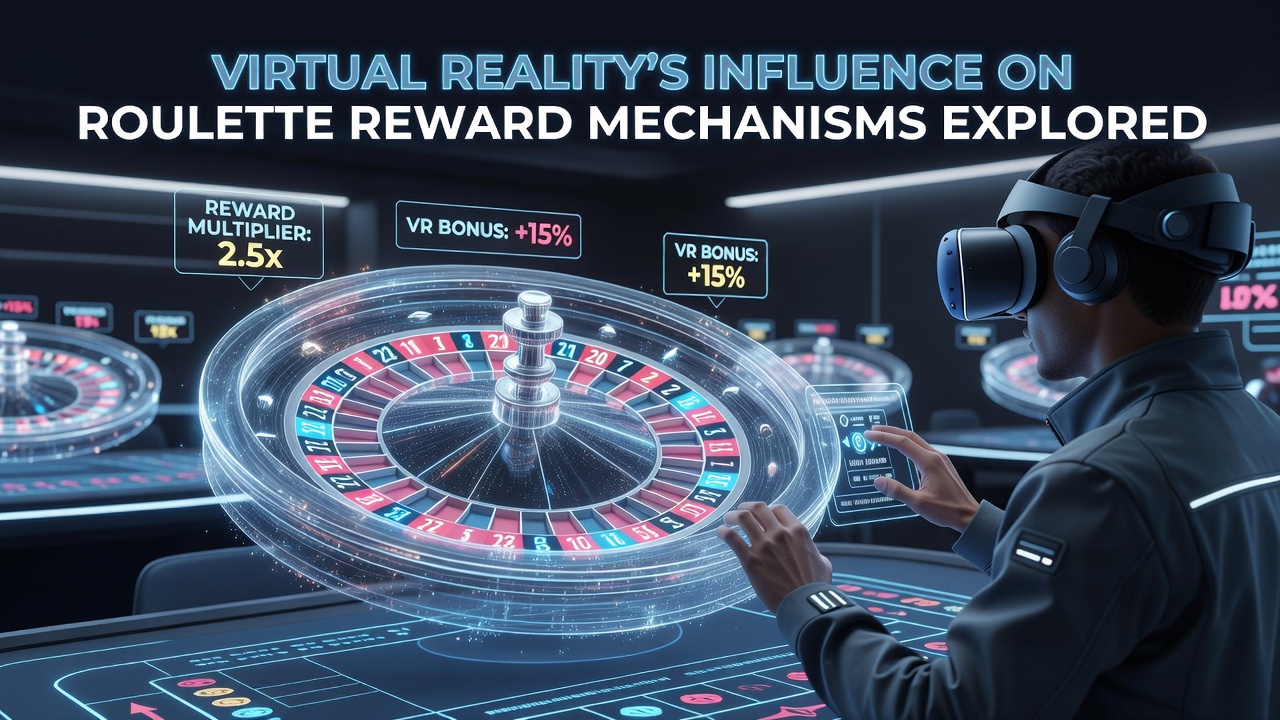
Cross-platform migration patterns reveal that users who begin sessions in VR often carry accumulated rewards into mobile or desktop modes, yet the conversion rates differ because spatial bonuses do not always map cleanly onto flat interfaces, and developers therefore introduced hybrid tracking systems that preserve partial progress. Those who have examined these systems note that reward caps and cooldown timers adjust dynamically when players switch devices mid-session, preventing exploitation while preserving the sense of continuity that VR environments encourage.
Regulatory and Technical Considerations
Regional authorities in Australia and parts of the European Union have begun reviewing how VR reward mechanisms comply with existing responsible gaming frameworks, and reports from the Australian Gambling Research Centre highlight the need for clearer disclosure of gesture-triggered bonuses that may not appear in standard terms. Technical standards continue to evolve because VR platforms require additional data streams for reward validation, and this creates new audit trails that regulators examine during licensing renewals.
Industry groups such as the European Gaming and Betting Association have published guidelines on integrating spatial reward systems without introducing unintended advantages, and operators that adopted these recommendations early reported smoother compliance processes in the first half of 2026. What's interesting is that the same platforms simultaneously expanded access through lower-cost VR headsets, which broadened the demographic participating in these enhanced reward cycles.
Future Integration Pathways
Emerging partnerships between hardware manufacturers and casino software providers point toward tighter synchronization between physical movement data and reward engines, and several test environments already demonstrate real-time adjustment of bonus percentages based on player posture and focus duration. These developments suggest that roulette reward mechanisms will incorporate biometric feedback loops in coming iterations, although current implementations remain limited to motion and positional inputs.
Conclusion
Virtual reality continues to expand the parameters through which roulette reward mechanisms function, and the changes observed by July 2026 demonstrate a shift toward spatially aware systems that reward engagement beyond traditional wager metrics. Platforms that align these new pathways with regulatory expectations maintain broader market reach while operators who ignore spatial variables risk losing ground in retention metrics as player preferences move toward immersive formats.