Tracing Roulette Reward Pathways Amid Platform Migration Trends in Niche Markets
Kai Hoffmann · Jun 2, 2026
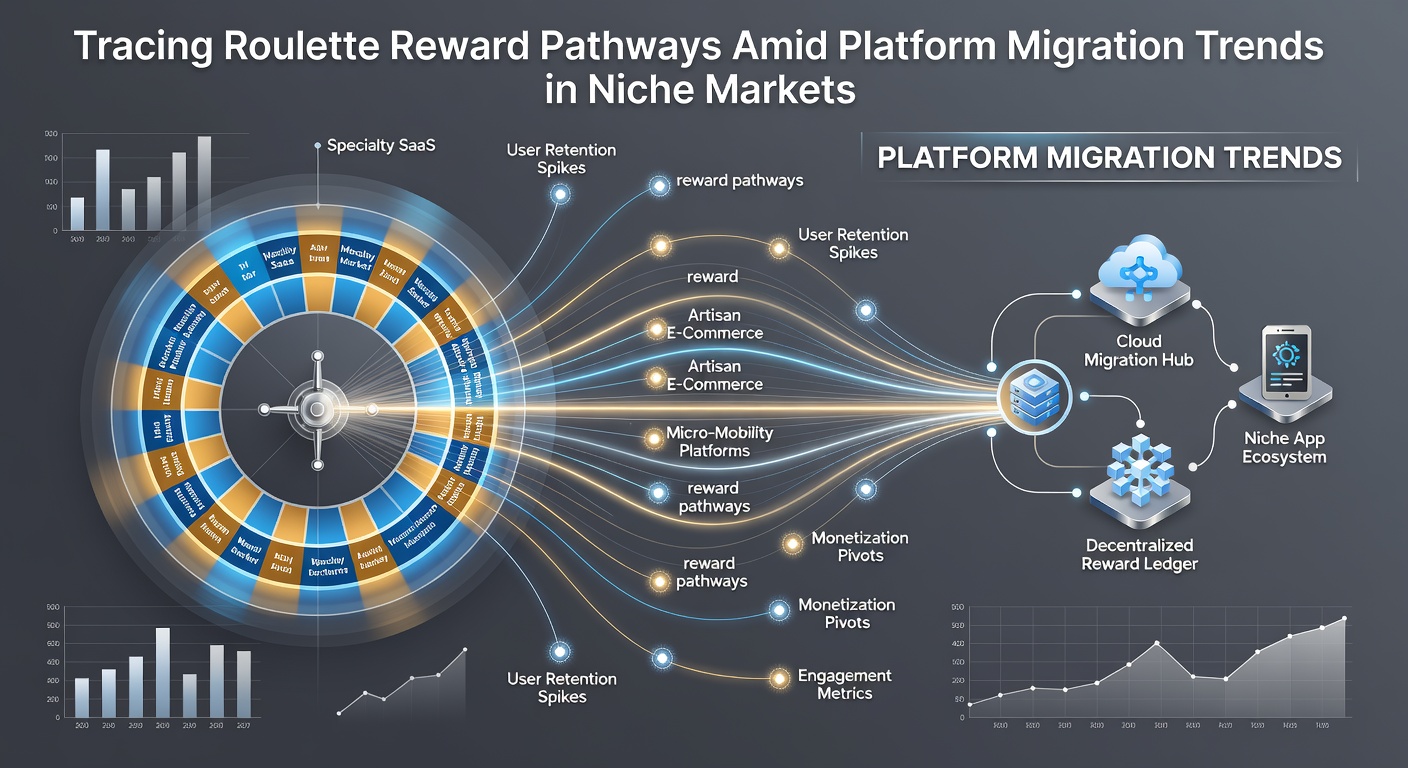
Tracing Roulette Reward Pathways Amid Platform Migration Trends in Niche Markets
Platform migrations have reshaped how niche roulette operators handle reward pathways since early 2025, with data from June 2026 indicating continued shifts toward cloud-based systems and cross-device integrations in specialized markets. These migrations often involve moving player accounts, bonus ledgers, and loyalty accumulations from legacy servers to newer infrastructures while preserving the integrity of reward eligibility rules and contribution rates. Observers note that niche segments such as mobile-first roulette platforms and hybrid esports-roulette environments experience these transitions more frequently than mainstream sites because smaller user bases allow for targeted testing of new architectures.
Platform Migration Patterns in Specialized Roulette Segments
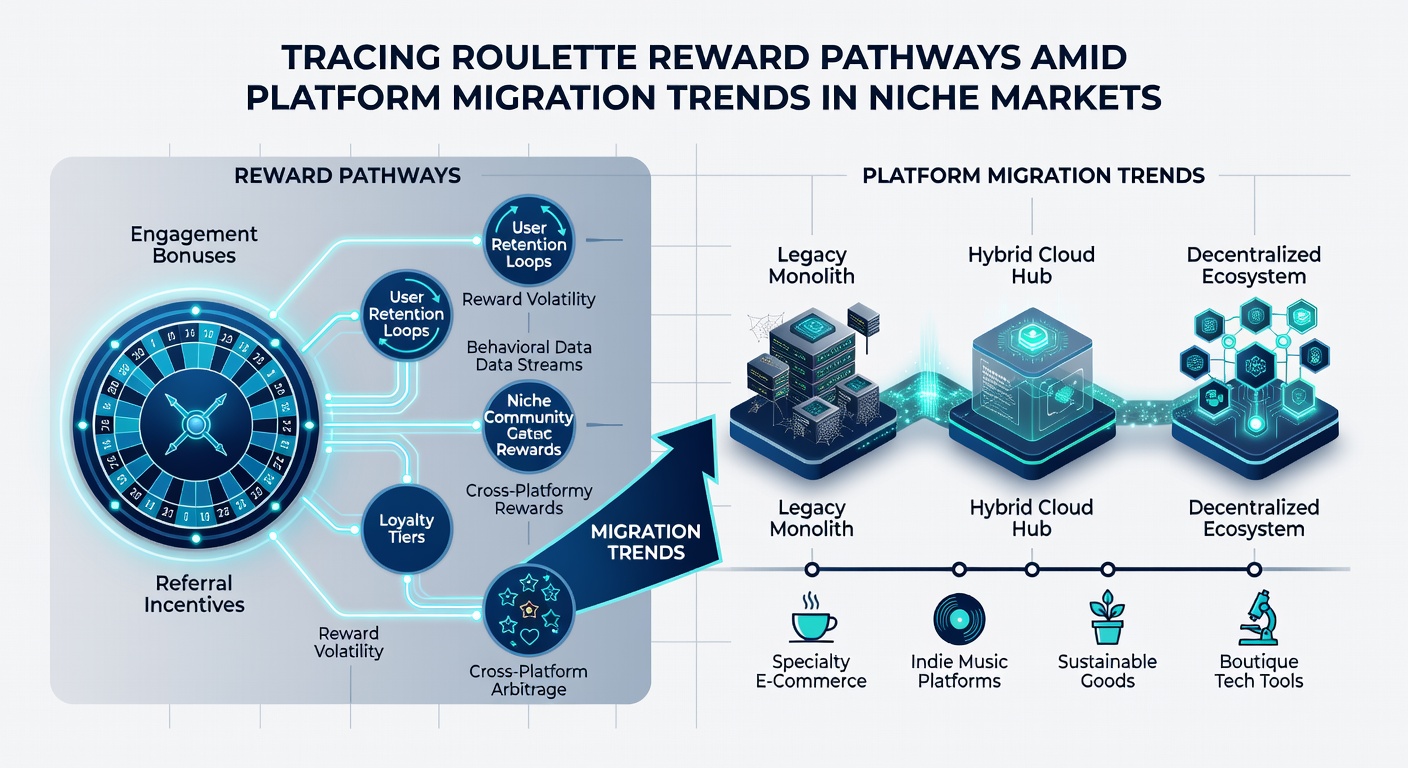
Operators in niche markets frequently migrate between on-premise data centers and distributed cloud environments to accommodate fluctuating traffic from regional player pools, and studies released in mid-2026 document increased activity among platforms serving Eastern European and Southeast Asian audiences. During such moves the pathways that track roulette-specific rewards, including game contribution percentages and progressive jackpot allocations, require careful mapping to avoid breaks in accrual sequences. Data shows that successful migrations maintain continuous logging of wager volumes so that players retain access to tiered loyalty benefits without resetting accumulated points or cashback balances.
Components of Roulette Reward Pathways
Reward pathways consist of sequential stages where initial deposits convert into bonus credits, then feed into wagering requirements calculated against roulette variants, and finally unlock withdrawal eligibility or loyalty tier advancements. In migrating platforms these stages rely on synchronized databases that record each transition, and figures from industry reports reveal that even brief desynchronization can interrupt the flow from free spin awards to live dealer cash equivalents. Niche operators address this by implementing redundant verification layers that cross-check player histories across old and new systems before finalizing any reward disbursement.
Technical Mechanisms Supporting Continuity
API bridges and token-based authentication protocols allow reward data to travel intact during migrations, while timestamped audit trails help regulators verify that contribution rates remain consistent. Those who've examined migration logs note that platforms serving crypto-integrated roulette niches often incorporate blockchain timestamps to further secure pathway integrity across server relocations. In June 2026 several operators reported completing such transitions with zero reported loss of pending cashback claims, demonstrating that meticulous pre-migration mapping reduces disruption risks.
Regulatory Oversight and Data Integrity Requirements
Authorities in multiple jurisdictions require detailed documentation of reward pathway continuity whenever platforms undergo structural changes, and reports from the Malta Gaming Authority highlight the need for independent audits that confirm no alteration to player entitlement calculations occurs mid-migration. Similar expectations appear in guidelines issued by the Australian Communications and Media Authority, which emphasize transparent record-keeping for bonus contribution percentages across device transitions. These standards help ensure that niche market operators cannot inadvertently or intentionally alter reward terms during platform upgrades.
Observed Trends in Niche Market Adaptations
Smaller roulette-focused platforms have adopted modular reward engines that detach bonus tracking from core game servers, allowing independent scaling during migrations without affecting live dealer sessions. Evidence from June 2026 indicates rising adoption of such engines among operators targeting Latin American and African player segments where mobile usage dominates. The ball's in the operators' court to demonstrate that these modular systems preserve exact wagering requirement ratios when accounts shift between hosting environments.
Challenges in Maintaining Reward Traceability
Legacy data formats sometimes clash with newer schema requirements, creating temporary gaps in the visibility of accumulated loyalty points or pending cashback refunds. Researchers have documented cases where incomplete mapping led to delayed access to escalated rewards until reconciliation processes completed, and those delays prompted operators to introduce interim credit mechanisms that keep pathways active. What's interesting is how niche platforms mitigate these issues through phased rollouts that test reward integrity on small player cohorts before full migration.
Conclusion
Tracing roulette reward pathways during platform migrations remains a central operational concern for niche market participants as of June 2026, with documented practices showing emphasis on redundant logging, regulatory-compliant audits, and modular system designs that preserve contribution accuracy. Continued evolution in these areas depends on operators' ability to align technical transitions with existing reward structures while meeting oversight standards from bodies across different regions.