Shifting Regulatory Landscapes and Their Effects on Personalized Wheel Game Reward Pathways in Emerging Digital Markets
Carlo Werner · Jul 2, 2026

Shifting Regulatory Landscapes and Their Effects on Personalized Wheel Game Reward Pathways in Emerging Digital Markets
Regulatory frameworks across emerging digital markets continue to evolve rapidly, reshaping how operators structure personalized reward systems for wheel-based games such as roulette and its variants, with data privacy mandates, consumer protection rules, and market access requirements directly influencing the design of player-specific bonus pathways. Observers note that jurisdictions in Southeast Asia, Latin America, and parts of Africa have introduced layered compliance obligations since 2024 that limit the granularity of player profiling used to customize reward escalations, while data localization statutes require operators to store behavioral information within national borders before tailoring offers.
Key Regulatory Developments in 2025-2026
Research from regional gaming authorities indicates that new licensing tiers implemented in markets like Brazil and Vietnam now mandate explicit consent mechanisms for collecting gameplay data that feeds into personalized wheel game rewards, forcing platforms to segment reward pathways into standardized tiers rather than hyper-individualized sequences. Those who've examined compliance filings observe that these consent layers reduce the speed at which operators can adjust bonus multipliers based on real-time player patterns, particularly in live dealer environments where wheel outcomes connect directly to escalation triggers. In July 2026 several Latin American regulators aligned their digital service taxes with updated consumer protection statutes, creating reporting requirements that track how reward pathways respond to player activity thresholds.
Impact on Data-Driven Personalization
Evidence from industry reports shows that emerging market rules on algorithmic transparency compel operators to disclose the logic behind reward customization, which in turn limits the opacity previously used to create exclusive wheel game pathways for high-engagement users. Operators must now map each personalized offer to auditable criteria, resulting in reward structures that rely more heavily on aggregate cohort data than on individual behavioral histories. What's interesting is how these constraints have prompted platforms to develop hybrid models where initial reward access remains standardized, yet subsequent escalations still incorporate limited personalization once players opt into data-sharing tiers.
Regional Variations Across Emerging Markets
Analyses from the European Commission on digital market fairness reveal parallels with regulatory approaches in Southeast Asia, where cross-border data transfer restrictions affect how operators synchronize reward pathways for players accessing wheel games from multiple jurisdictions simultaneously. In contrast, Australian research institutions have documented that similar rules in parts of the Asia-Pacific have led operators to localize reward engines entirely, creating distinct pathway branches for each regulated territory rather than unified global personalization systems. Figures from trade associations indicate that operators in these regions now allocate additional compliance resources toward maintaining separate reward ledgers, which slows the rollout of new wheel game variants tied to progressive bonuses.
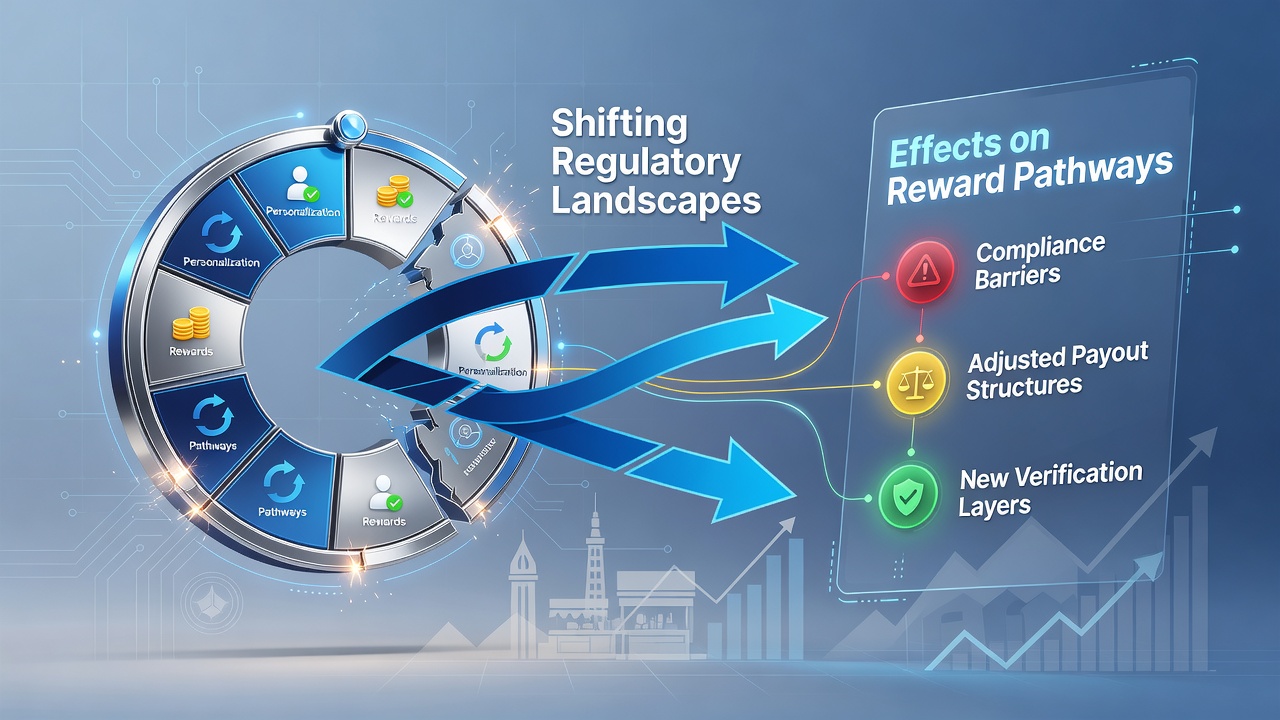
Observers tracking platform migration trends note that several operators have shifted infrastructure to jurisdictions with clearer data-use guidelines, allowing continued refinement of personalized reward sequences for wheel games while meeting local audit standards. This relocation pattern has produced noticeable differences in reward density, with pathways in more permissive regulatory zones offering denser escalation steps compared to heavily restricted environments.
Effects on Player Retention and Reward Accumulation
Data from academic studies on digital gaming ecosystems demonstrates that revised consent protocols have altered how quickly players progress through personalized reward tiers in wheel-based titles, because operators can no longer automatically enroll users in advanced pathways without affirmative steps. Those examining retention metrics find that standardized entry points followed by opt-in personalization maintain engagement levels when platforms communicate the criteria clearly, whereas abrupt restrictions on data usage correlate with slower tier advancement. Research indicates that volatility in wheel game variants interacts with these regulatory limits, since high-volatility titles require more substantial reward buffers that compliance rules now cap at predetermined aggregate levels rather than dynamic individual calculations.
Future Outlook for Reward Pathway Design
Industry reports compiled through mid-2026 suggest that forthcoming updates to digital market regulations in multiple emerging jurisdictions will emphasize verifiable fairness in reward distribution, prompting operators to publish standardized pathway diagrams alongside any remaining personalized elements. These requirements are expected to further standardize the initial segments of wheel game reward sequences while preserving limited customization for verified high-value cohorts under strict oversight. Experts monitoring cross-border gaming ecosystems note that alignment between data protection statutes and gambling licensing conditions continues to define the feasible scope of personalization, with operators adapting by building modular reward engines that can toggle features according to each territory's current rule set.
Conclusion
Regulatory evolution in emerging digital markets has produced measurable adjustments to how personalized reward pathways operate within wheel game environments, with consent requirements, data localization, and transparency obligations collectively narrowing the range of customization available to operators. Those monitoring these developments observe that platforms continue to refine compliance-compatible models that balance regulatory demands against player engagement objectives, resulting in reward structures that emphasize documented criteria and segmented access. Continued alignment between regional authorities and international standards will likely sustain these structural changes through subsequent policy cycles.