Seasonal Event Triggers Reshaping Roulette Incentive Structures in Niche Online Ecosystems
Kai Hoffmann · Jul 28, 2026

Seasonal Event Triggers Reshaping Roulette Incentive Structures in Niche Online Ecosystems
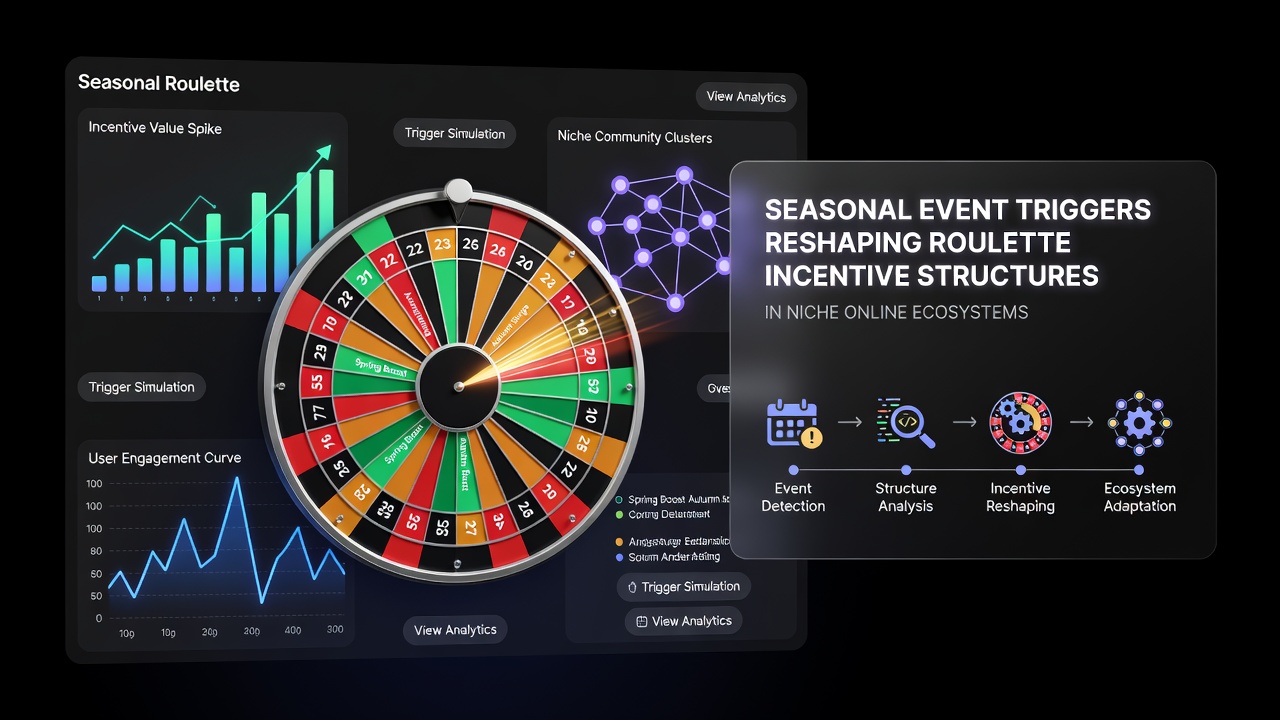
Seasonal event triggers have started altering how niche online platforms adjust roulette incentive structures, with data from mid-2026 showing clear shifts in bonus timing, value tiers, and contribution rates that coincide with holidays and regional festivals. Observers note that platforms operating in smaller digital communities often align their roulette promotions with events such as summer tournaments and winter celebrations because these periods drive measurable increases in player activity logs.
Research from the Australian Gambling Research Centre indicates that seasonal spikes lead operators to recalibrate wagering multipliers and cashback percentages specifically for roulette variants, while maintaining compliance with local licensing rules. In July 2026 several niche sites introduced limited-time multipliers tied to national holiday calendars, resulting in documented changes to deposit match offers and free spin allocations that favor live dealer tables over standard RNG formats.
Event Timing and Bonus Recalibration Patterns
Platforms track player engagement metrics during specific calendar windows, and those records reveal that incentive structures expand during high-traffic seasons yet contract once events conclude. Data shows operators reduce maximum bonus caps on roulette bets in the weeks following major holidays while simultaneously tightening game contribution percentages to balance payout ratios. Those adjustments occur because seasonal traffic creates temporary revenue surpluses that platforms redirect into retention mechanisms rather than permanent structural changes.
Take one European niche community where summer music festival tie-ins prompted operators to add time-limited roulette cashback layers that reset weekly; once the festival window closed, those layers reverted to baseline rates. Similar patterns appear in North American micro-platforms around major sporting events, where bonus codes activate only during event windows and require faster playthrough thresholds to prevent prolonged liability exposure.
Regional Regulatory Influences on Seasonal Offers
Regulatory frameworks in different jurisdictions shape how seasonal triggers translate into actual incentive mechanics. Figures from the Malta Gaming Authority demonstrate that operators must submit seasonal promotion calendars in advance, which forces platforms to design roulette bonuses that fit both event timing and pre-approved contribution limits. This process creates predictable cycles where niche sites release enhanced live dealer incentives during approved festival periods and then scale them back to standard terms afterward.
Canadian provincial oversight bodies have recorded parallel developments, with operators in smaller online segments adjusting roulette reward tiers around national celebrations while documenting compliance through quarterly filings. These filings indicate that seasonal offers often include higher deposit thresholds during peak months, followed by reduced wagering requirements once traffic normalizes.
Community-Specific Retention Mechanisms
Niche ecosystems rely on tight player cohorts, and seasonal events provide natural points for targeted incentive layering. Platform analytics from July 2026 show increased use of segmented roulette bonuses that activate only for users who have reached certain loyalty milestones during prior event cycles. These segmented offers typically combine lower wagering multipliers with event-specific free bet credits, yet they remain unavailable to newer accounts until seasonal windows reopen.
Industry reports compiled by the European Gaming and Betting Association highlight that cross-border niche sites often synchronize their roulette promotions with overlapping regional holidays to maximize reach without expanding marketing budgets. The synchronization leads to staggered release schedules where one community receives enhanced cashback rates while another receives deposit match extensions, all calibrated to local event calendars.
Technical Adjustments and Player Tracking Integration
Backend systems in these ecosystems now incorporate seasonal flags that automatically adjust roulette contribution percentages and bonus expiration timers. Developers integrate these flags with existing player tracking modules so that offers scale according to real-time traffic data rather than fixed schedules. Evidence from platform migration studies shows that sites using such automated triggers experience smoother transitions between high and low seasons because the systems prevent manual errors in bonus distribution.
Those who've examined retention metrics across multiple niche operators note that seasonal roulette incentives produce measurable upticks in repeat deposits when combined with device-specific access points, although the gains dissipate once the triggering event ends. The pattern holds across both desktop and mobile segments, with live dealer tables showing the strongest correlation to seasonal offer activation.
Conclusion
Seasonal event triggers continue to drive measurable recalibrations in roulette incentive structures within niche online ecosystems, with documented patterns of bonus expansion and contraction that follow holiday and festival calendars. Regulatory filings, platform analytics, and cross-regional reports confirm that operators adjust wagering requirements, cashback layers, and contribution rates in response to predictable traffic cycles. These adjustments remain tied to compliance frameworks and player tracking systems that enable precise timing without permanent structural overhauls. As July 2026 data illustrates, the approach allows smaller platforms to manage liability while maintaining engagement during peak periods, and the resulting incentive models reflect ongoing alignment between event timing and operational constraints.