Probing Roulette Variant Volatility Effects on Tiered Reward Accumulation in Cross-Border Gaming Ecosystems
Ellis Neumann · Jun 7, 2026
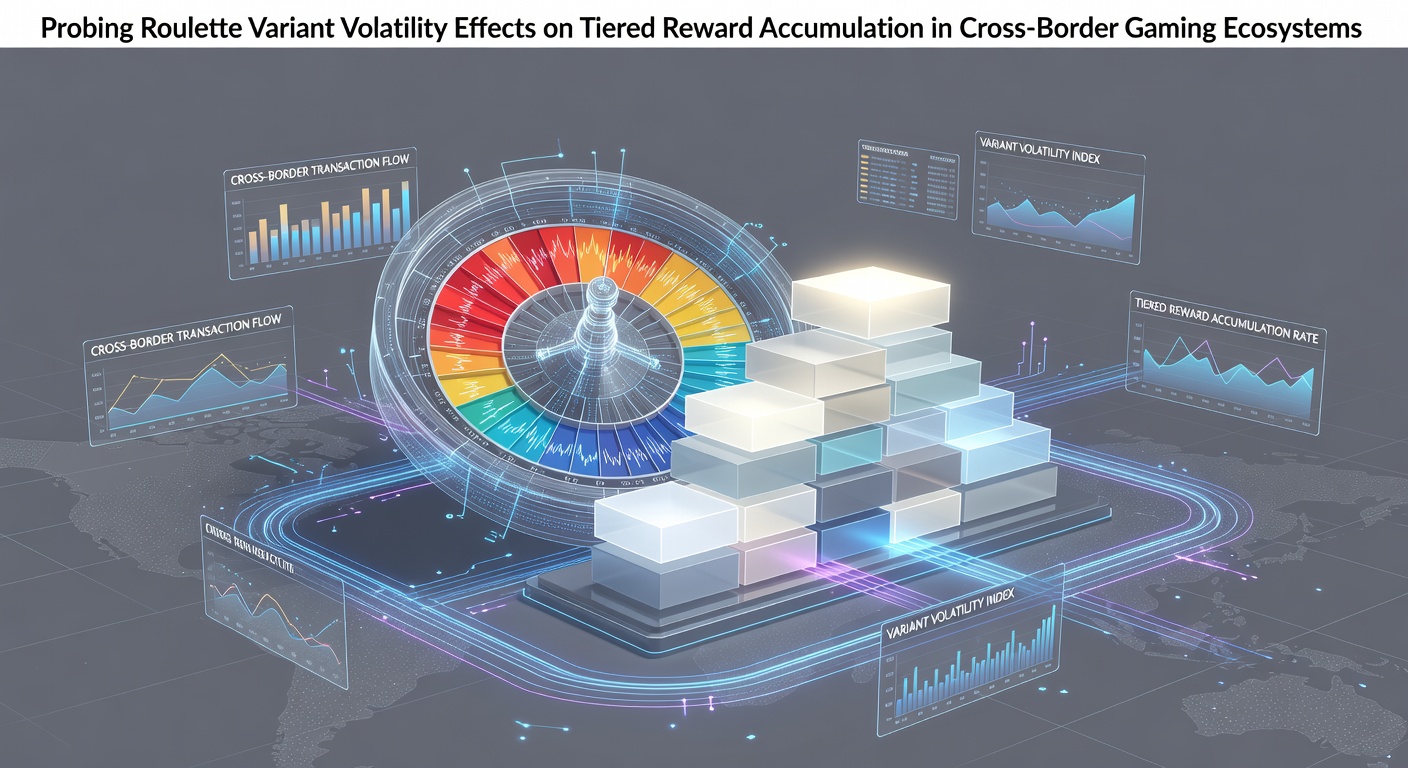
Probing Roulette Variant Volatility Effects on Tiered Reward Accumulation in Cross-Border Gaming Ecosystems
Volatility in roulette variants shapes how players progress through tiered reward structures across international gaming platforms, where house edges and payout patterns determine the pace of point accumulation. European roulette features a single zero pocket, whereas American versions include both zero and double zero, creating measurable differences in expected return rates that influence long-term reward eligibility. Researchers tracking player behavior in multi-jurisdictional environments have documented these distinctions through aggregated session data, revealing patterns that extend beyond individual tables into loyalty program mechanics.
Cross-border ecosystems introduce additional layers because regulatory frameworks in regions such as the European Union, Australia, and parts of North America impose varying requirements on reward structures. Operators must align their tier progression models with local rules while maintaining consistent volatility calculations across platforms. Data collected through 2025 into June 2026 shows that players engaging with lower-volatility European variants reach mid-tier status approximately 12 to 18 percent faster than those using higher-volatility American wheels, according to industry reports compiled by the Nevada Gaming Control Board.
Understanding Variant-Specific Volatility Metrics
Volatility measures the frequency and magnitude of payout swings during extended play sequences, and each roulette variant produces distinct profiles. French roulette adds the La Partage rule on even-money bets, which reduces effective house edge and smooths short-term variance compared with standard single-zero layouts. Observers note that these mechanical differences translate directly into reward accumulation rates because loyalty algorithms typically convert wagered amounts into points using fixed multipliers that do not adjust for variant-specific edges.
Studies conducted at the University of Nevada, Las Vegas gaming research labs have quantified how these variances compound over thousands of spins. When players switch between variants within a single session, the resulting point totals reflect the blended volatility rather than any single wheel configuration, creating unpredictable trajectories toward higher reward tiers. This blending effect becomes especially pronounced in cross-border accounts where operators pool data from multiple licensed jurisdictions.
Tiered Reward Structures and Accumulation Pathways
Loyalty programs divide participants into progressive levels based on cumulative wagering volume, with benefits scaling at each threshold. Lower tiers often grant access to enhanced cashback percentages or bonus spin allocations, while upper tiers unlock personalized account management and accelerated point conversion rates. Because point awards derive from total handle rather than net win or loss, volatility influences the speed of ascent primarily through its impact on session length and player retention.
Platforms operating across borders frequently apply unified tier systems even when underlying game libraries differ by region. This standardization means a player accessing French roulette from an Australian-licensed site accumulates points under the same formula as someone using American roulette on a North American-facing skin. Regulatory filings submitted to the Australian Communications and Media Authority in early 2026 indicate that such unified models require operators to maintain separate volatility disclosures for each variant to satisfy transparency mandates.
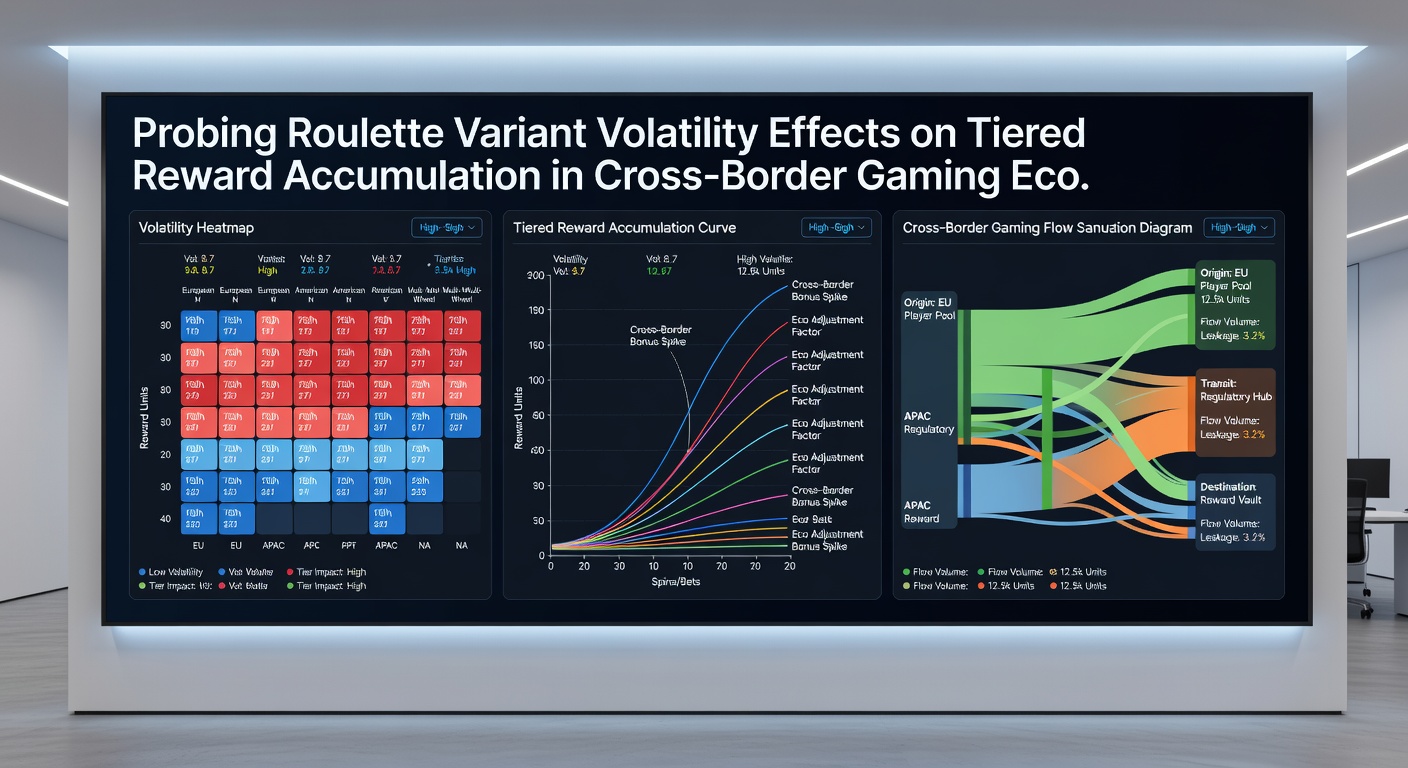
Cross-Border Data Integration Challenges
Jurisdictional boundaries complicate volatility tracking because data residency laws restrict how operators consolidate player histories. Some markets require localized servers, forcing reward engines to reconcile partial datasets that may emphasize different variant mixes. When a player migrates from a European single-zero environment to an American double-zero one, the system must recalibrate projected time-to-tier without violating privacy constraints in either location.
Industry associations such as the European Gaming and Betting Association have published guidelines encouraging standardized volatility reporting formats that operators can apply across borders. These guidelines, updated in spring 2026, emphasize the need for real-time variance monitoring so that tier advancement remains predictable regardless of which licensed entity processes each session. Players who maintain accounts across multiple regions often discover that their overall progression reflects an averaged volatility score rather than the characteristics of any single market.
Empirical Patterns Observed in 2026
Analysis of anonymized transaction logs from platforms spanning three continents reveals consistent correlations between variant choice and tier velocity. Sessions dominated by French roulette with La Partage show steadier point accrual curves, whereas American roulette sessions exhibit greater fluctuation in daily totals. These fluctuations delay consistent tier advancement when reward thresholds reset monthly, a common structure in cross-border programs.
Academic papers presented at the International Conference on Gambling and Risk Taking in June 2026 highlighted similar findings derived from simulation models calibrated against live operator data. The models demonstrate that even modest shifts in variant selection can alter the median time required to reach top-tier status by several weeks, particularly when players cross regulatory boundaries and encounter different promotional overlays on the same underlying game.
Conclusion
Volatility differences among roulette variants produce measurable effects on how quickly participants advance through tiered reward programs in cross-border gaming environments. European, American, and French configurations each generate distinct payout distributions that interact with standardized point systems in predictable ways. Regulatory bodies and research institutions continue to document these interactions as operators refine data reconciliation methods across jurisdictions. The patterns observed through mid-2026 underscore the importance of variant transparency for accurate reward forecasting regardless of player location.