Mapping Roulette Incentive Pathways Through Evolving Cross Border Payment Protocols and Player Retention Data
Carlo Werner · Jun 21, 2026

Mapping Roulette Incentive Pathways Through Evolving Cross Border Payment Protocols and Player Retention Data
Data from June 2026 indicates that cross-border payment systems continue to shape how roulette platforms structure incentives while tracking retention metrics across multiple jurisdictions. Observers note that protocols involving instant bank transfers, digital wallets, and emerging blockchain options create distinct pathways that connect deposit methods directly to bonus structures and long-term player engagement patterns. Payment networks have adapted to handle multi-currency settlements with reduced latency, which allows operators to align promotional offers with real-time transaction confirmations. Research from industry reports shows these adjustments influence the timing and eligibility of deposit matches or cashback programs tied to roulette tables. Figures reveal that regions with streamlined cross-border verification see higher uptake of time-sensitive incentives compared to areas where regulatory checks extend processing windows.Cross-Border Protocol Shifts and Incentive Routing
Analysts track how updated protocols route funds through intermediary gateways that comply with varying national requirements while preserving seamless player experiences. These routes determine whether a roulette bonus activates immediately after a deposit or requires additional confirmation steps that can delay reward access. Data indicates platforms using unified API connections between payment providers and gaming systems report fewer dropped transactions, which supports consistent incentive delivery.
European regulatory frameworks outside the UK have introduced standardized reporting for transaction origins, and this affects how operators map incentive eligibility across borders. One study released in early 2026 found that platforms integrating these standards recorded measurable improvements in player progression through reward tiers because fewer deposits faced holds. Meanwhile, operators in Asia-Pacific markets have tested hybrid models combining local e-wallets with international card networks, creating parallel pathways that segment incentives based on funding source.
Retention Metrics Linked to Payment Pathways
Retention data collected through platform analytics connects specific payment protocols to patterns in repeat play and account activity. Metrics such as session frequency and average wager size often correlate with the speed and reliability of cross-border transfers. Those who've examined large datasets note that players using faster-settling methods tend to maintain activity levels longer when incentives align with deposit timing.
Platforms compile these metrics to adjust incentive structures, for instance by offering escalated rewards for users who complete verification through certain gateways. According to figures shared by the Malta Gaming Authority, retention rates improved in segments where payment confirmations integrated directly with loyalty tracking systems. Similar observations appear in reports covering Canadian provincial operators, where data shows reduced churn when incentives account for regional banking differences.
Mapping Incentive Pathways in Practice
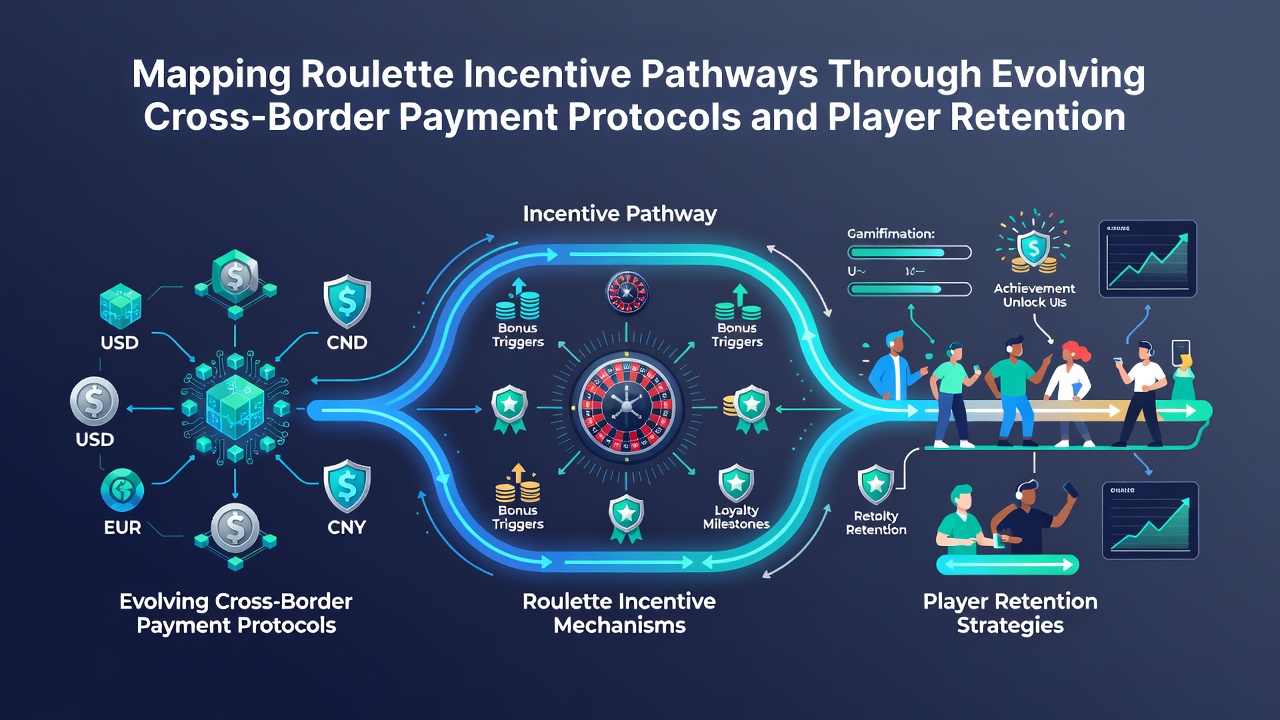
Operators construct visual and algorithmic maps that trace each incentive from payment initiation through reward redemption and onward to retention outcomes. These maps incorporate variables such as currency conversion fees, compliance flags, and regional payout limits that alter the effective value of bonuses. Experts observe that detailed pathway mapping helps identify bottlenecks where players abandon offers mid-process.
Case examples from hybrid gaming environments illustrate how a single cross-border transaction can trigger layered incentives, including free bet credits that feed into retention scoring models. Data from 2026 highlights that platforms refining these maps achieve tighter alignment between payment method preferences and sustained engagement across different roulette variants. What's interesting is how small adjustments in protocol routing produce measurable shifts in tier advancement rates within loyalty programs.
Regulatory Influences on Data Integration
Regulatory bodies in multiple regions require transparent reporting of payment-related incentive flows, which drives platforms to standardize data collection practices. This standardization enables more accurate comparisons of retention across borders. Research indicates that jurisdictions mandating unified data formats see faster identification of trends linking payment speed to player return rates.
Industry associations have published guidelines encouraging the use of anonymized transaction datasets for retention analysis, and these resources help operators refine pathway models without compromising compliance. Observers note that such collaborative efforts reduce duplication in data mapping efforts across markets.
Conclusion
Overall patterns from June 2026 demonstrate that evolving cross-border payment protocols continue to define clear incentive pathways while supplying granular retention data. Platforms that integrate these elements report structured improvements in how rewards connect to sustained player activity. Continued refinement of mapping techniques supports consistent delivery of incentives across diverse regulatory landscapes and payment ecosystems.