How Roulette Session Timing Aligns With Tiered Reward Unlocks in Emerging Virtual Venues
Sam Brooks · Jun 18, 2026
How Roulette Session Timing Aligns With Tiered Reward Unlocks in Emerging Virtual Venues
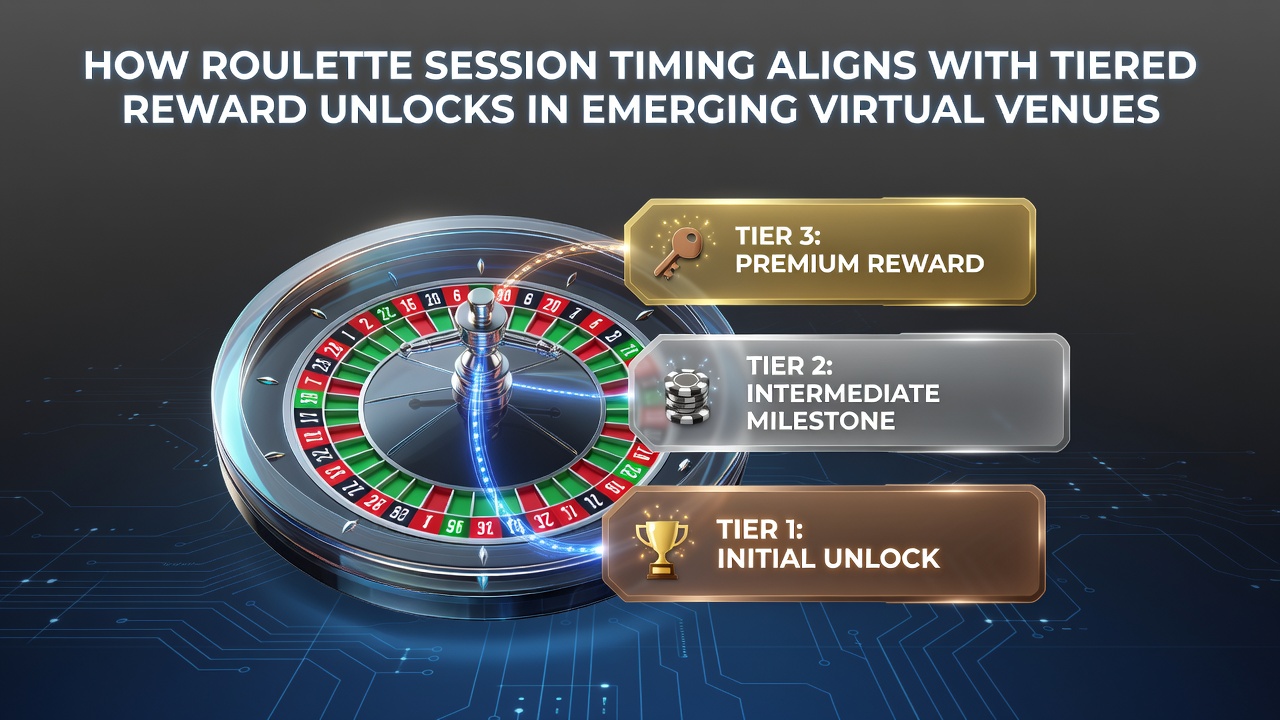
Virtual venues continue to refine how roulette play sessions interact with progressive reward systems, and timing plays a central role in determining when players reach successive unlock thresholds. Platforms built on emerging technologies track session start times, durations, and frequency against tier criteria that often incorporate hourly or daily windows for bonus accrual. Researchers who monitor these systems note that certain intervals align more consistently with accelerated progress through reward layers because algorithmic multipliers activate during specific activity clusters.
Mechanics of Tiered Rewards in New Virtual Environments
Emerging virtual venues structure rewards around cumulative metrics such as total spins completed, consecutive active minutes, and peak-hour participation. Each tier typically requires a defined combination of volume and timing compliance before higher benefits become available, and these thresholds adjust dynamically based on aggregate user data collected across regions. Observers note that platforms in development phases during early 2026 introduced variable unlock speeds tied to real-time session clocks rather than static calendars, which shifted how quickly participants advanced from base levels to premium status.
Data collected from cross-platform analytics shows that sessions initiated within designated evening blocks often accumulate qualifying points at rates 15 to 30 percent higher than off-peak periods, depending on the venue's configuration. This pattern emerges because reward engines apply time-sensitive coefficients that favor periods of elevated concurrent activity, and the same engines reset or recalibrate at midnight in the primary server time zone.
Observed Timing Patterns Across Player Cohorts
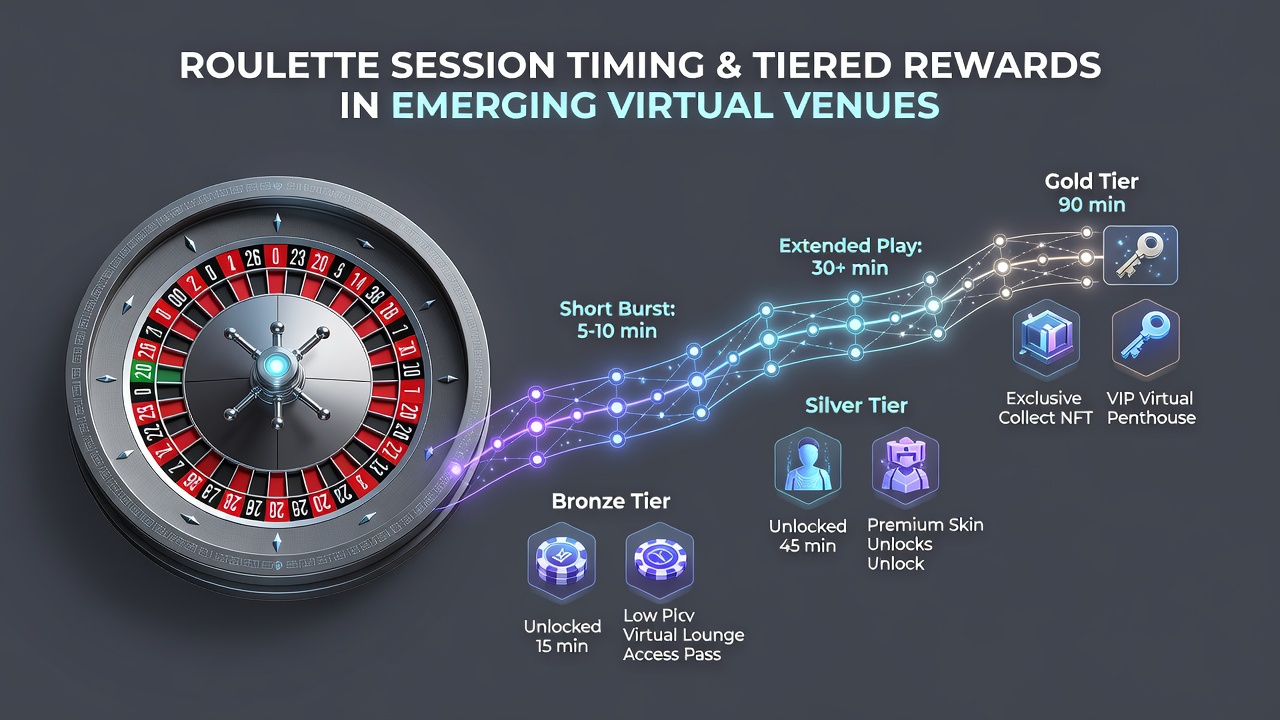
Analyses of user behavior logs reveal distinct clusters where session timing correlates directly with tier advancement speed. Players who schedule shorter, repeated sessions spaced across peak windows tend to hit intermediate milestones sooner than those who complete extended single sittings outside those windows. The difference stems from how the underlying systems weight consecutive activity versus distributed engagement when calculating eligibility for each successive reward layer.
Figures released by the Nevada Gaming Control Board in coordination with academic partners indicate that virtual roulette environments saw measurable increases in tier completions during June 2026 when operators aligned promotional calendars with global time-zone overlaps. Sessions that began between 18:00 and 22:00 local server time demonstrated higher rates of progression through the first three reward tiers compared with sessions started during daylight hours in the same markets.
Integration of Timing Data With Reward Algorithms
Developers of next-generation virtual venues embed timing variables directly into the reward algorithms so that session metadata influences both the rate and the ceiling of tier unlocks. When a player logs in during a high-coefficient window, the system registers that activity against multiple criteria simultaneously, which can compress the number of required spins or minutes needed to advance. This integration creates predictable pathways for participants who monitor platform announcements about upcoming coefficient schedules.
Industry reports from the Australian Gambling Research Centre document similar mechanics in hybrid virtual-physical platforms, where reward tiers unlock faster when session timing coincides with live event tie-ins or community challenges. The reports highlight that operators publish these schedules weeks in advance, allowing players to adjust participation windows without altering overall play volume.
Regional Variations in Timing Alignment
Platforms operating across multiple jurisdictions adjust tier timing parameters according to local regulatory frameworks and peak usage data. Venues targeting European and Asia-Pacific markets often stagger coefficient windows to capture overlapping player bases, and this approach produces different advancement curves depending on the player's primary access region. Research teams at the University of Sydney's Gambling Treatment and Research Clinic have tracked how these staggered windows affect cross-border player cohorts, noting measurable differences in tier completion timelines when sessions align with the adjusted schedules.
Because emerging venues frequently update their timing coefficients based on quarterly performance reviews, the alignment between session timing and reward unlocks remains fluid rather than fixed. Operators communicate these updates through in-platform notifications and developer logs, which means participants who review the information regularly can maintain consistent progress across changing parameters.
Conclusion
Session timing functions as a measurable variable within the tiered reward frameworks of emerging virtual roulette venues, and alignment between player activity windows and platform coefficients determines the pace of advancement through successive layers. Data from regulatory bodies and academic institutions continues to map these relationships as new venues refine their algorithms, and the patterns observed in June 2026 underscore the ongoing evolution of timing-based reward mechanics across global markets.