How Cultural Nuances Shape Customized Incentive Structures for Roulette Players in Diverse Regions
Kai Hoffmann · Jun 28, 2026
How Cultural Nuances Shape Customized Incentive Structures for Roulette Players in Diverse Regions
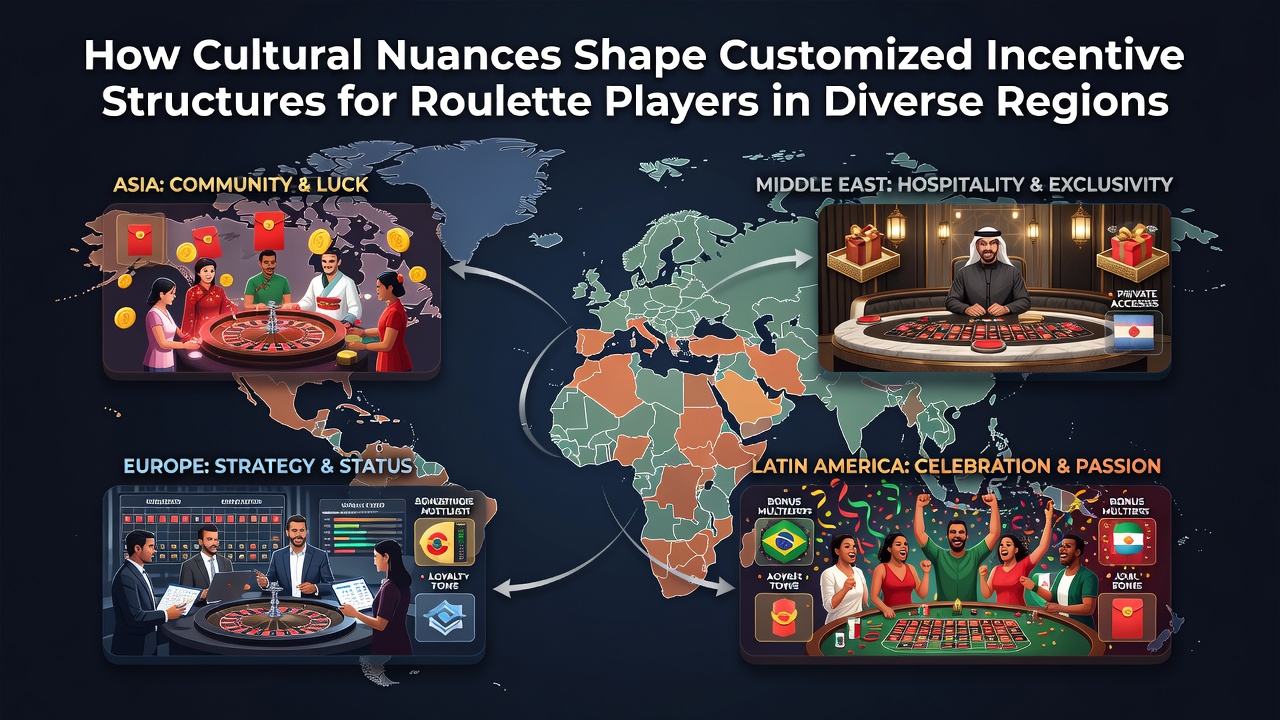
Online platforms adjust roulette promotions to align with regional attitudes toward luck, risk, and social interaction, creating incentive structures that reflect local customs rather than applying uniform global offers. Data from cross-border gaming reports shows operators modify bonus types, timing, and reward formats based on cultural preferences observed in player behavior across Asia, Europe, and the Americas.
Collectivist Traditions Influence Group-Based Rewards in East Asia
Platforms serving markets in Japan, South Korea, and parts of China often bundle roulette incentives around shared experiences because community ties shape spending habits. Operators introduce team challenges where multiple accounts accumulate points toward a single prize pool, and these structures peak during major festivals such as Lunar New Year or Obon. According to research published by the Australian Gambling Research Centre, players in these regions show higher engagement with social leaderboards than with solitary cashback deals.
Number selection also drives customization. Red-dominated wheel segments receive themed deposit matches in Chinese-speaking territories since the color carries positive associations, whereas operators in South Korea emphasize even-money bets paired with loyalty tiers that unlock community events. These patterns emerged clearly in platform migration data tracked through June 2026, when several sites expanded hybrid tournaments that combined roulette spins with regional esports tie-ins.
European Preferences Favor Analytical and Time-Sensitive Offers
Markets across Germany, France, and the Netherlands tend toward incentives that support strategic play and regulatory transparency. Cashback structures appear more frequently here, with caps and wagering requirements presented in detailed breakdowns that match local expectations for clear information. Seasonal adjustments occur around major sporting calendars, yet operators avoid overlapping with national holidays that emphasize family time over gaming sessions.
Figures from the Canadian Centre for Gaming Research indicate that European roulette variants with lower house edges receive bonus multipliers more often than American double-zero versions. This distinction reflects documented player interest in probability tools, leading platforms to pair free bet credits with downloadable strategy trackers rather than random free spin allocations.
North American Markets Emphasize Individual Flexibility and High-Value Cash Rewards
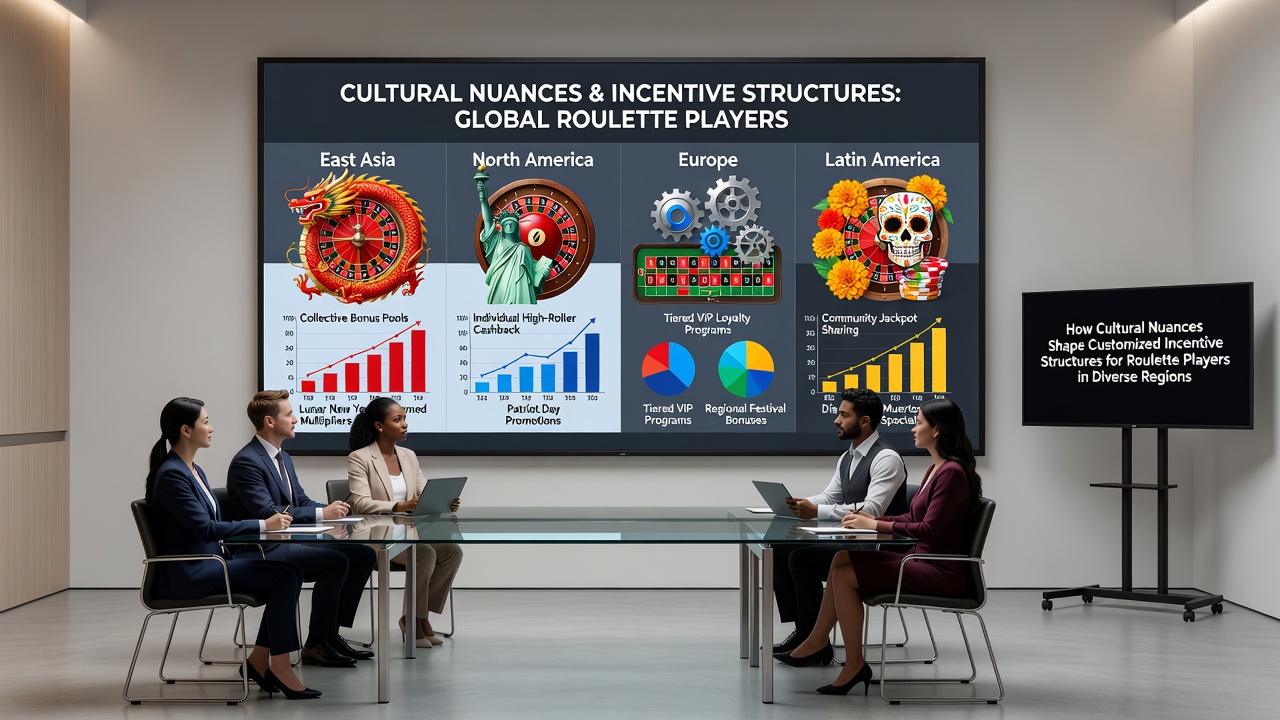
Operators targeting the United States and Canada design incentives around personal bankroll management and rapid withdrawal options. High-tier cashback programs dominate because individual achievement narratives prevail in promotional messaging. Time-limited reload bonuses activate during evening hours aligned with major time zones, while weekend offers focus on extended play sessions rather than group milestones.
Provincial regulations in Canada further shape these structures, requiring clear disclosure of contribution rates across game types. Platforms respond by offering segmented roulette promotions that separate live dealer tables from RNG versions, allowing players to accumulate rewards through their preferred format without cross-contamination of wagering progress.
Emerging Adjustments in Latin America and the Middle East
Brazilian and Mexican operators incorporate carnival-themed events into roulette incentives, using color bursts and multiplier rounds that echo local celebrations. These promotions typically run for shorter durations with higher frequency to match cultural rhythms of festivity and social gathering. Meanwhile, platforms licensed in the United Arab Emirates maintain conservative structures that emphasize private account features and discreet reward delivery, avoiding public leaderboards entirely.
June 2026 saw several Latin American sites introduce mobile-first deposit matches timed to national football matches, demonstrating how external cultural events continue to influence incentive calendars beyond traditional gaming holidays.
Conclusion
Regional operators continue refining roulette incentive models by studying local customs around risk, luck, and social connection. The resulting structures range from community point pools in East Asia to individualized cashback in North America, each calibrated to observed player patterns and regulatory environments. These adaptations demonstrate that effective promotion design requires attention to cultural context rather than standardized global templates.