Exploring Intersections of Esports Tournaments and Roulette Incentive Schemes in Hybrid Gaming Platforms
Carlo Werner · May 28, 2026

Exploring Intersections of Esports Tournaments and Roulette Incentive Schemes in Hybrid Gaming Platforms
Hybrid gaming platforms continue to blend competitive esports events with traditional casino offerings such as roulette, creating integrated environments where tournament participation directly influences access to roulette-based rewards, and observers note that these intersections have expanded steadily through 2026.
Data from industry reports shows that platforms hosting major esports tournaments often layer roulette incentive schemes onto viewer engagement metrics, allowing participants to earn spins or deposit matches tied to match outcomes and community challenges, while figures reveal growth in cross-promotional activity during peak tournament seasons.
Platform Integration Patterns
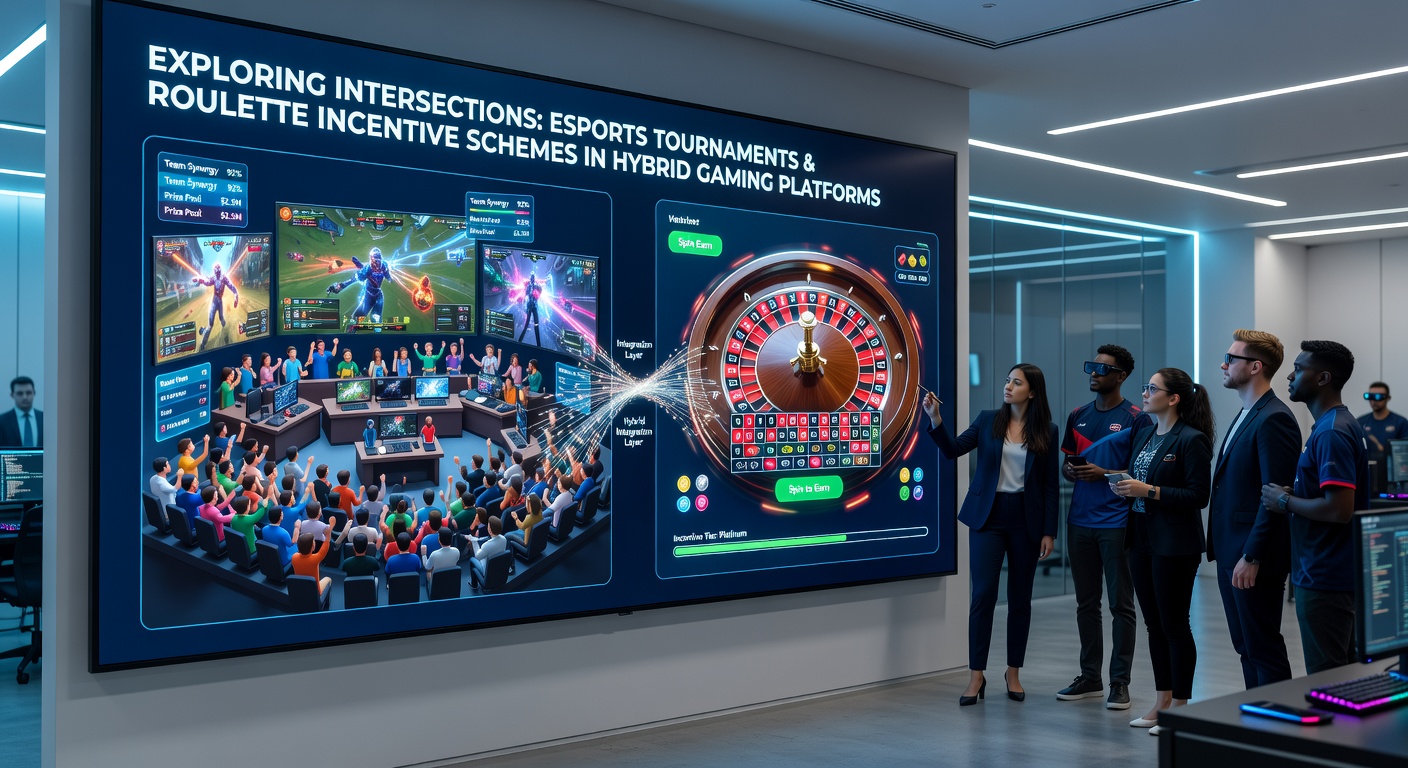
Many operators structure their systems so that esports tournament brackets feed into roulette reward tiers, and this setup means players who advance in bracket predictions or viewership milestones unlock escalating bonus structures in roulette lobbies that adjust contribution rates based on event timing.
Research from the Canadian Gaming Association indicates that such linkages appear most frequently on platforms supporting both real-time esports broadcasts and live dealer roulette, creating seamless transitions where tournament points convert into wager credits usable across both verticals without separate account navigation.
Tournament Mechanics and Reward Triggers
Esports events scheduled in May 2026 frequently incorporate roulette incentive elements directly into their prize pools, and organizers report that top-performing teams or spectators receive coded entries that trigger no-deposit roulette rounds or cashback percentages scaled to tournament duration.
Those who've examined platform data note that incentive schemes often activate during live matches, with on-screen overlays displaying roulette spin opportunities tied to kill counts or objective captures, which in turn drive traffic back to roulette tables once the esports segment concludes.
Regulatory and Compliance Considerations
Authorities in regions such as Australia and several European jurisdictions monitor these hybrid models closely, and records from the Australian Communications and Media Authority show that operators must separate esports skill elements from roulette chance components to maintain licensing standards.
Compliance frameworks require clear disclosure of how tournament achievements translate into roulette incentives, which has led platforms to implement transparent tracking dashboards that log both esports statistics and subsequent bonus redemptions in unified player histories.
Player Journey Examples
One documented pathway involves users entering an esports tournament prediction contest that awards roulette free rounds upon correct bracket forecasts, and analysts tracking these flows observe that successful predictions often carry over into live dealer sessions where wagering requirements align with the original tournament schedule.
Additional cases show loyalty programs that merge esports ranking points with roulette play volume, allowing accumulated tiers to unlock higher cashback rates or reduced wagering thresholds on roulette variants during major event windows.
Technical and Operational Overlaps
Backend systems on these platforms synchronize esports APIs with roulette game engines so that real-time event data can instantly adjust available incentives, and this synchronization supports features like dynamic bonus multipliers that scale with tournament viewership spikes reported through integrated analytics tools.
Developers have implemented mobile-responsive interfaces that carry esports chat functions into roulette tables, enabling players to discuss match results while applying tournament-earned credits to ongoing spins without leaving the session.
Conclusion
The intersections between esports tournaments and roulette incentive schemes continue to evolve within hybrid platforms, supported by synchronized technical infrastructure and regulatory oversight across multiple jurisdictions, while data collected through 2026 demonstrates measurable increases in cross-vertical player activity when these elements align during major events.