Ergonomic Factors Affecting Mobile Roulette Bonus Engagement Rates in Portable Gaming Scenarios
Ellis Neumann · Aug 25, 2026
Ergonomic Factors Affecting Mobile Roulette Bonus Engagement Rates in Portable Gaming Scenarios
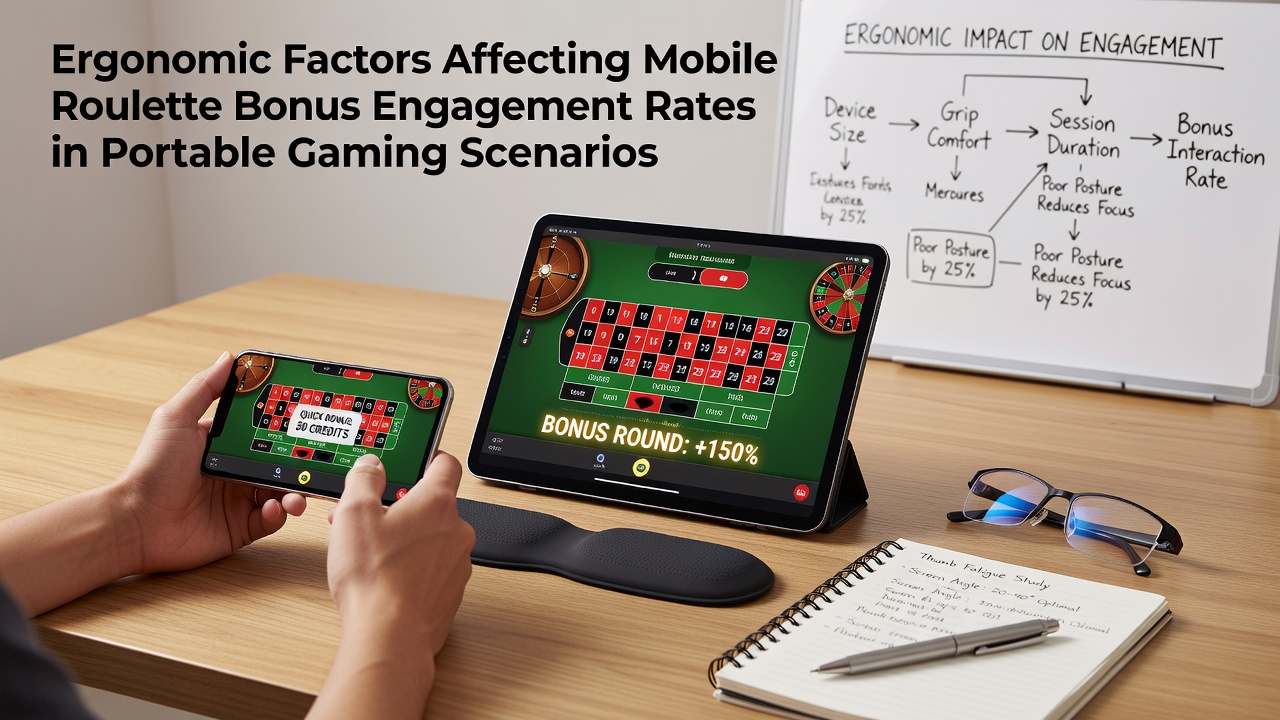
Data from portable gaming platforms in August 2026 revealed measurable shifts in bonus engagement patterns tied directly to device handling variables, screen dimensions, and user posture during play sessions. Researchers tracking mobile roulette activity noted that players who maintained consistent grip stability completed bonus activation sequences at higher rates than those adjusting devices frequently mid-session. Studies on touch interface performance indicate that thumb reach zones on screens measuring under 6 inches limit precise taps required for claiming layered bonus offers, particularly when those offers involve multiple confirmation steps.
Hand Positioning and Sustained Device Control
Observations across multiple device cohorts show that one-handed operation correlates with shorter engagement windows before users pause or exit bonus menus, whereas two-handed cradling extends interaction time by allowing finer control over swipe and tap sequences. According to findings published by the Canadian Centre for Occupational Health and Safety, repetitive wrist flexion during extended mobile sessions increases discomfort that interrupts bonus claim flows. Platform analytics further demonstrate that users who prop devices on surfaces rather than holding them sustain longer sessions with live dealer roulette promotions, since stable positioning reduces micro-adjustments that break concentration on time-sensitive offers.
Screen Orientation and Visual Ergonomics
Landscape mode adoption rates climbed steadily through 2026, and data shows this orientation improves visibility of bonus terms displayed in smaller fonts alongside roulette tables. Portrait usage, while common for quick sessions, compresses interface elements and leads to higher rates of missed prompts for additional spins or deposit matches. Eye tracking research conducted at university labs in Australia found that glare from overhead lighting on glossy screens forces users to tilt devices repeatedly, which fragments attention during the 30-second windows often allocated for bonus code entry. Those adjustments accumulate into measurable drops in completion rates for multi-stage promotions.
Touch Accuracy and Interface Reachability
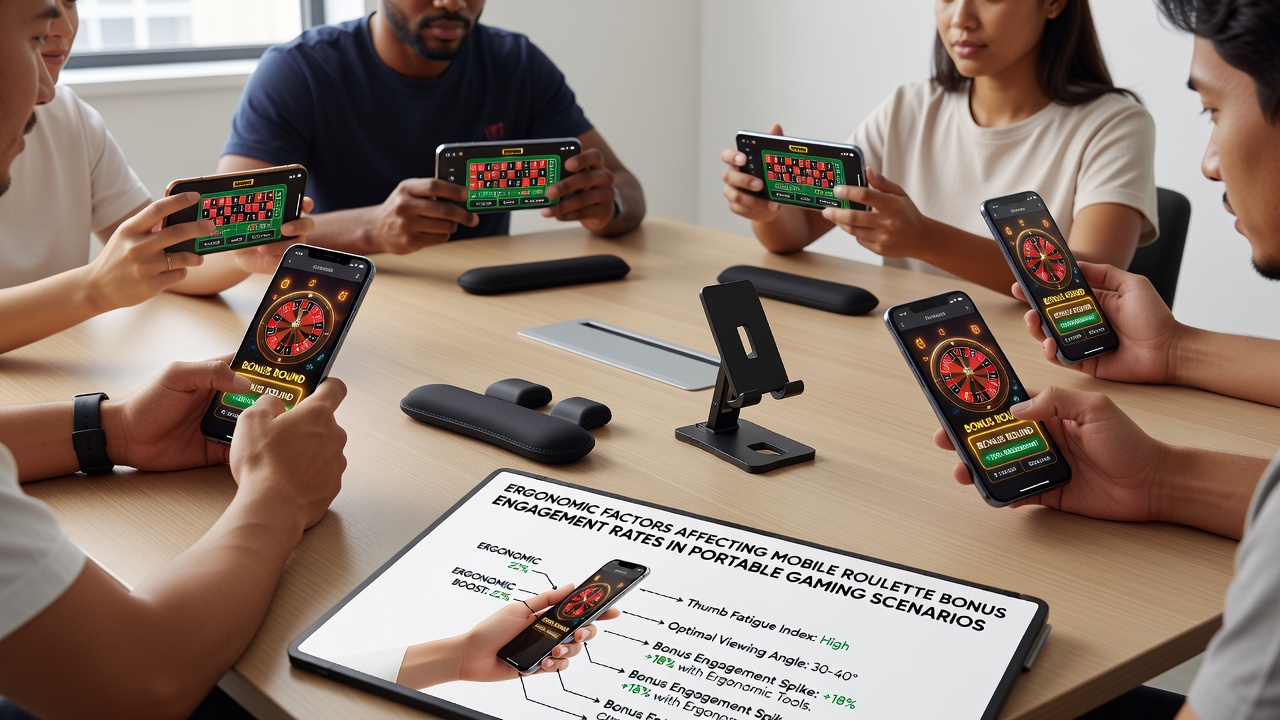
Touch target sizes below 9 millimeters generate elevated error rates on mobile roulette interfaces, according to aggregated session logs from cross-platform operators. Players attempting to select specific bonus variants or confirm wagering contributions encounter more failed inputs on compact displays, prompting retries that extend overall task time and sometimes trigger session timeouts. Larger tablets used in portable scenarios reduce these friction points, yet their added weight introduces separate fatigue factors after 20 minutes of continuous play. Analysts mapping finger travel distances across popular apps note that bonus claim buttons placed near screen edges require greater thumb extension, lowering success percentages compared with centrally located controls.
Environmental Lighting and Auditory Feedback Integration
Ambient light levels directly influence contrast perception on mobile screens during bonus review phases, with indoor versus outdoor transitions producing distinct engagement curves. Reports compiled by the European Agency for Safety and Health at Work document how sudden brightness changes prompt users to pause and recalibrate settings, interrupting the seamless flow required for time-limited roulette incentives. Haptic feedback strength settings also factor into outcomes, since subtle vibrations confirming successful bonus code submission help users maintain flow without constant visual checks, particularly in motion-heavy environments like transit.
Posture Variability Across Portable Contexts
Session data segmented by location type indicates that seated play on stable surfaces yields higher bonus redemption percentages than standing or walking scenarios. Spinal alignment studies link forward head posture, common during phone cradling, to quicker onset of neck strain that curtails session length before players finish reviewing bonus wagering paths. Operators adapting interfaces for variable grip angles report modest lifts in engagement when they enlarge interactive zones and add gesture alternatives to small tap targets, aligning with observed patterns in August 2026 metrics.
Conclusion
Collective evidence from device telemetry, ergonomic research bodies, and platform performance logs establishes clear connections between physical interaction factors and mobile roulette bonus completion metrics. Adjustments in screen size, grip support, and control placement continue to shape participation rates as portable gaming expands. Those patterns underscore how hardware and environmental variables intersect with promotional mechanics to determine observable engagement outcomes across user groups.