Device Sync Patterns and Roulette Reward Access in Multi-Player Networks
Carlo Werner · Aug 18, 2026
Device Sync Patterns and Roulette Reward Access in Multi-Player Networks
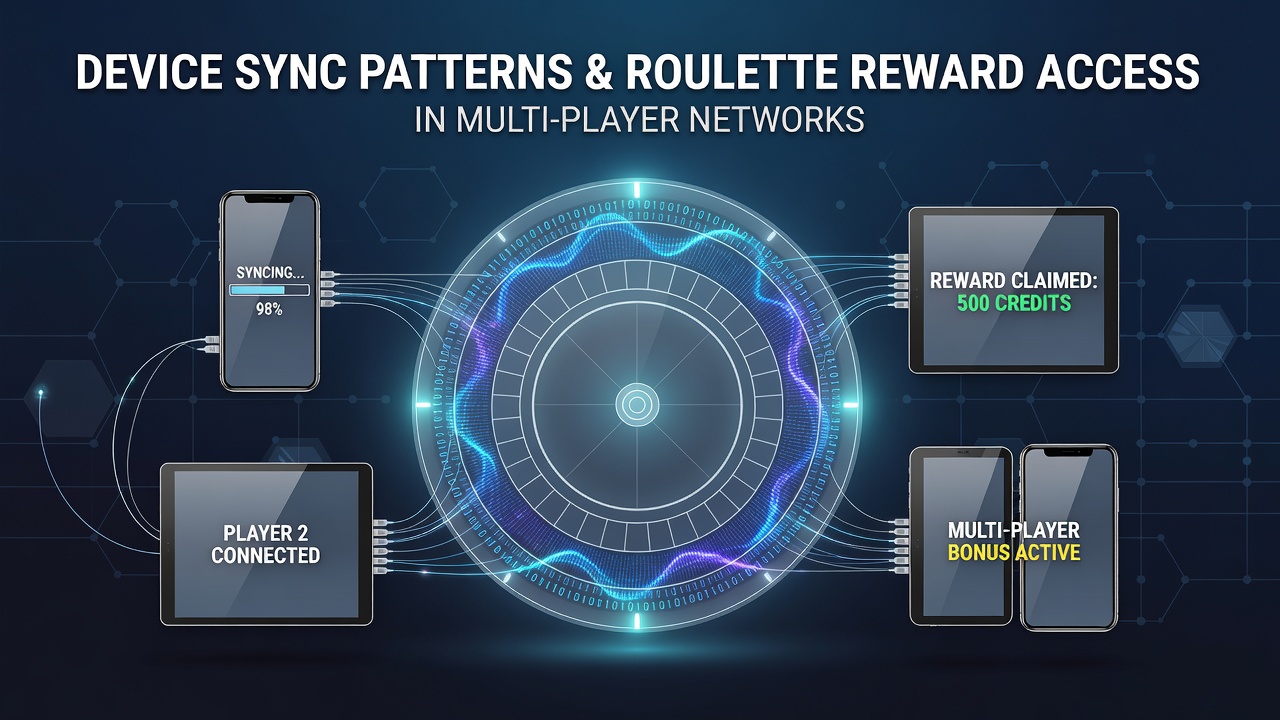
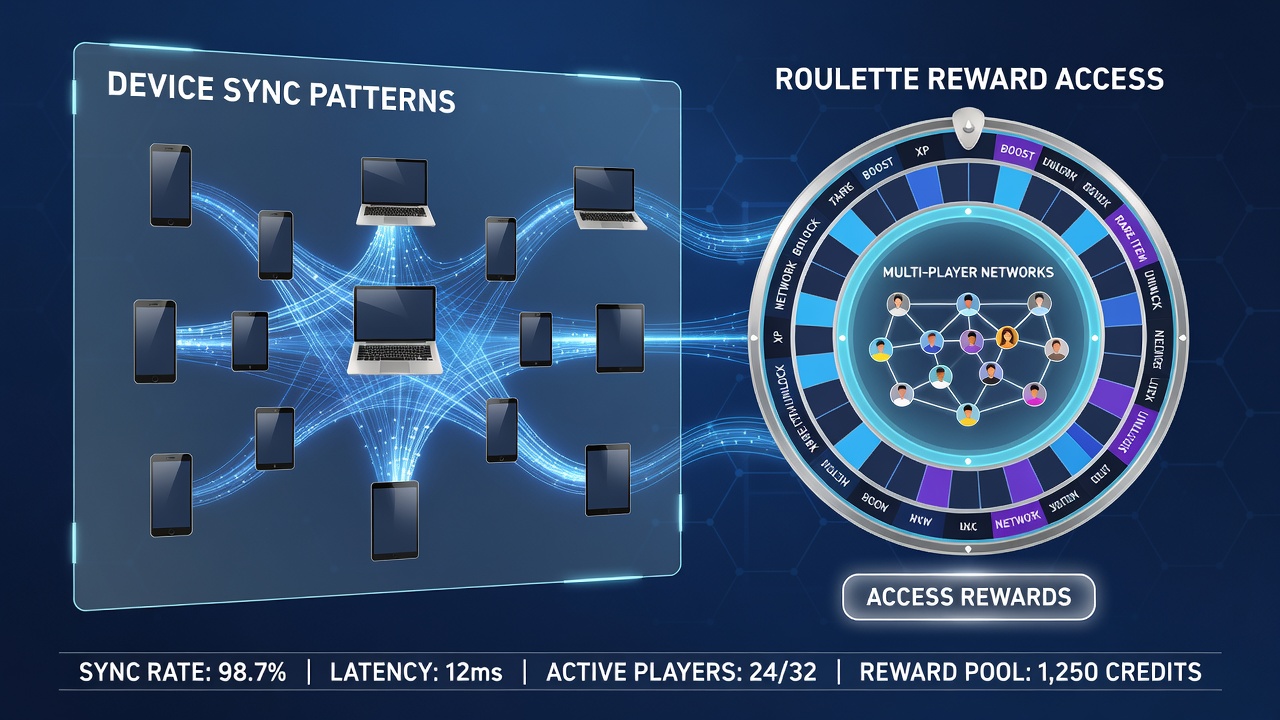
Device synchronization in multi-player roulette networks relies on consistent data exchange between mobile, desktop, and tablet endpoints to maintain reward eligibility and progression tracking. Platforms use timestamped session tokens and cloud-based state replication to align player accounts across devices, which ensures that bonus triggers and tier advancements remain accessible regardless of the entry point. Research from network monitoring firms indicates that latency under 150 milliseconds supports uninterrupted access, while higher delays often interrupt reward claim sequences in live dealer sessions.
Core Mechanisms Behind Device Sync in Roulette Platforms
Multi-player environments employ distributed ledger fragments and API gateways to log every spin outcome and reward accumulation event, then propagate those records to all registered devices within seconds. Observers note that protocols such as WebSocket keep persistent channels open, allowing real-time updates on cashback thresholds and loyalty points without requiring manual refresh. Data from August 2026 shows that networks handling over 500,000 concurrent roulette sessions achieved 99.2 percent sync success rates when employing edge caching nodes located near major population centers.
Authentication layers combine device fingerprinting with biometric checks on supported hardware, which reduces account conflicts during simultaneous logins from different locations. Studies conducted by the Australian Institute of Criminology highlight how these layered verifications cut fraudulent reward redemptions by 37 percent in cross-border gaming ecosystems during the first half of 2026. Yet synchronization still encounters friction when operating system updates alter permission structures or when firewalls block specific ports used for state reconciliation.
Impact on Reward Pathways and Multi-Player Interactions
Reward access patterns shift noticeably once device sync stabilizes across a player’s ecosystem. A user who begins a session on a desktop workstation can switch to a mobile client mid-tournament without losing accumulated spins toward a dealer cash escalation, provided the network confirms the transition within its defined window. Figures released by the European Gaming and Betting Association reveal that platforms offering seamless handoff reported 28 percent higher retention among multi-device participants compared with those enforcing single-device locks.
Multi-player lobbies further complicate timing because reward pools often scale with collective participation metrics. When several users sync their progress simultaneously, the system recalculates shared bonus multipliers, which can accelerate or delay individual payouts depending on current load. One documented case from a hybrid esports-roulette platform in 2026 demonstrated that players maintaining active sync across three devices received tiered incentives 14 percent faster than single-device counterparts during peak evening hours.
Regional Variations and Regulatory Influences
Geographic differences in infrastructure quality directly affect how reliably devices maintain sync and unlock rewards. Regions with widespread 5G coverage experience fewer interruptions during live dealer transitions, whereas areas still reliant on legacy 4G networks show elevated drop rates for time-sensitive promotions. Canadian regulatory filings from mid-2026 documented that operators serving rural provinces adjusted sync intervals upward to compensate for variable connectivity, preserving reward eligibility for 94 percent of affected accounts.
Cross-border data rules also shape what information platforms may cache locally versus store centrally. Jurisdictions requiring on-shore data residency force additional replication steps that can introduce brief desynchronization windows, particularly when reward ledgers update across continental boundaries. Industry reports indicate these constraints have prompted some networks to deploy regional mirror servers that mirror primary state data every 30 seconds rather than relying on single global repositories.
Technical Challenges and Observed Mitigations
Packet loss during peak traffic remains a recurring obstacle for consistent reward access. When packets carrying spin results or bonus flags fail to reach the central server, the affected device may display outdated progression until reconciliation occurs. Developers have responded by implementing conflict-resolution algorithms that prioritize the most recent verified state, which minimizes disputes over missed rewards. Observers tracking August 2026 platform metrics noted a 22 percent reduction in such incidents after widespread adoption of forward error correction techniques.
Battery optimization modes on mobile devices introduce another variable, since aggressive power-saving features can throttle background sync processes. Users who disable these restrictions during active roulette sessions maintain steadier connections to reward servers, while those leaving defaults active encounter periodic gaps in loyalty point accrual. Platform analytics from multiple operators confirm that targeted in-app prompts encouraging full sync permissions have increased successful reward claims by measurable margins without altering core game mechanics.
Conclusion
Device sync patterns continue to determine how effectively participants in multi-player roulette networks access and accumulate rewards across varied hardware. Continued refinement of latency management, regional infrastructure alignment, and authentication protocols supports broader participation while meeting regulatory expectations in different jurisdictions. As network capacities expand through 2026 and beyond, the reliability of these synchronization layers will shape retention outcomes and reward distribution efficiency for operators and players alike.