Decoding Roulette Interface Customizations and Retention Trends in Cross-Platform Environments
Ellis Neumann · Jun 11, 2026
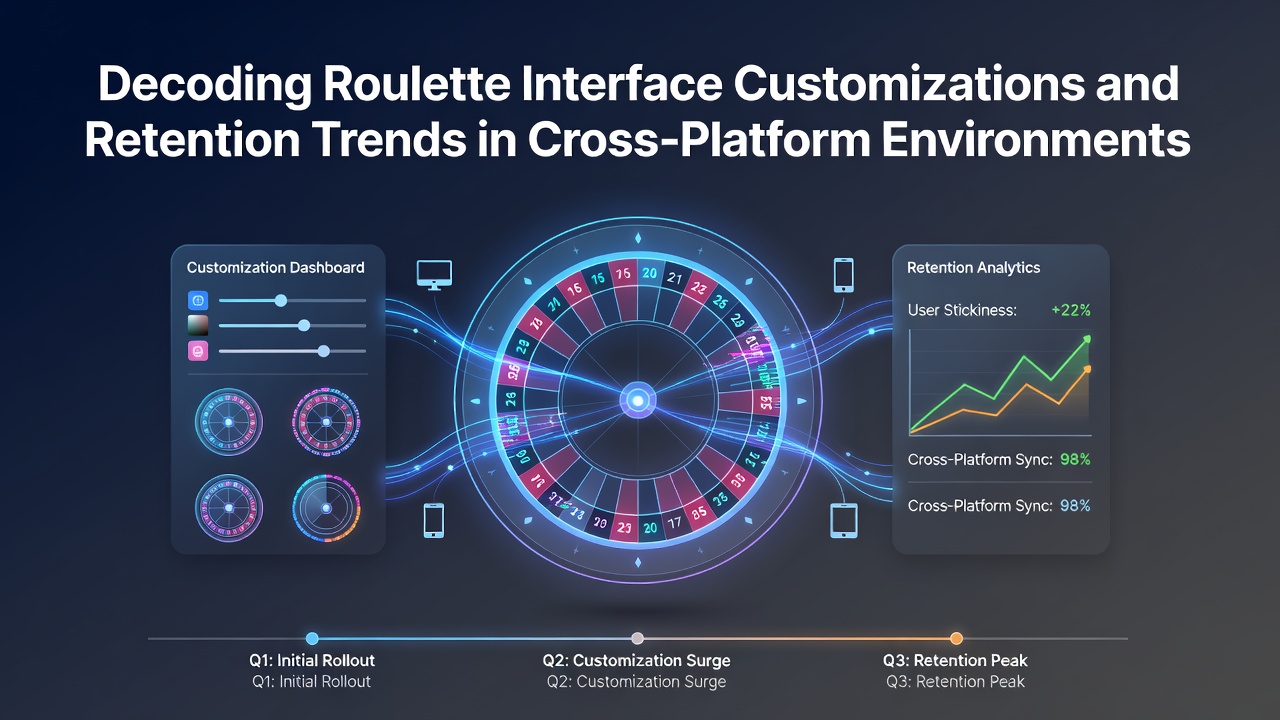
Decoding Roulette Interface Customizations and Retention Trends in Cross-Platform Environments
Interface customizations in roulette platforms have evolved considerably as operators adapt to player preferences across devices, and observers note that these adjustments shape how users interact with games in real time. Custom elements such as adjustable wheel speeds, color schemes for betting layouts, and personalized control panels appear in many systems, allowing players to modify visual and functional aspects without altering core game rules. Data from multiple markets shows that platforms offering these options record higher session durations compared to those with static interfaces, particularly when users switch between desktop and mobile environments during the same play period.
Core Elements of Roulette Interface Customization
Developers integrate features like drag-and-drop bet placement, zoom controls for number grids, and theme selectors that range from classic felt designs to modern minimalist styles, and these tools help accommodate different screen sizes while maintaining readability. In cross-platform setups the same customization menu syncs across devices through cloud-based profiles, which means a player who selects a high-contrast mode on a tablet sees that preference carried over to a smartphone session later in the day. Researchers tracking usage patterns report that such continuity reduces friction during device transitions, a factor that correlates with improved retention metrics in aggregated industry reports.
Cross-Platform Challenges and Adaptations
Operating systems impose distinct constraints, so roulette interfaces must resize dynamic elements without distorting odds displays or timer functions, and this requires careful coding to preserve fairness across environments. Mobile versions often prioritize touch-friendly buttons and gesture-based spins, whereas desktop builds emphasize keyboard shortcuts and multi-window betting views. Data compiled through June 2026 indicates that operators who prioritize these platform-specific tweaks achieve better alignment with user habits, especially among those who alternate between home computers and portable devices throughout the week.
Retention Trends Linked to Customization Features
Retention data reveals patterns where customized interfaces contribute to repeat visits, since players who adjust settings tend to return more frequently than those who encounter default layouts only. Studies from the American Gaming Association highlight that platforms incorporating player-driven modifications see monthly active user increases of up to 18 percent in certain segments, with the effect most pronounced in markets where cross-device play exceeds 60 percent of total sessions. What's interesting is how these trends hold steady even when bonus structures remain unchanged, suggesting that interface flexibility itself acts as a retention driver independent of promotional incentives.

Longer sessions emerge when users can fine-tune audio cues or toggle between simplified and advanced betting views, and operators document these behaviors through heatmaps that track click paths and dwell times. European regulators, including those referenced in reports from the European Gaming and Betting Association, note similar outcomes in licensed markets where customization logging forms part of compliance audits. Those who've examined the figures point out that retention lifts appear within the first two weeks of feature introduction, after which plateau effects set in unless additional options are rolled out periodically.
Influence of Regional Regulations on Interface Design
Regulatory frameworks in various jurisdictions shape which customizations operators may offer, with some regions requiring standardized color coding for risk indicators while others permit broader aesthetic freedom. In Australia, guidelines from the National Consumer Protection Framework encourage clear display of betting limits within customized panels, and platforms that embed these elements report stronger compliance scores alongside stable retention curves. Canadian provincial oversight bodies similarly track how interface changes affect player behavior disclosures, and the resulting datasets feed into broader analyses of cross-border platform migrations.
Technical Implementation and Player Feedback Loops
Backend systems log customization selections to refine recommendation engines, which then suggest layouts based on historical device usage and session length, and this feedback mechanism helps platforms anticipate shifts in player preferences before they affect retention numbers. One study released in early 2026 examined over 200,000 accounts and found that users who applied at least three custom settings demonstrated 22 percent higher return rates after 30 days compared with baseline groups. The same analysis indicated that synchronization failures between platforms led to measurable drops in engagement, underscoring the need for robust cross-device architecture.
Conclusion
Interface customizations continue to intersect with retention trends as cross-platform roulette environments mature, and available data underscores their measurable role in shaping player behavior across devices. Operators who align these features with regulatory expectations and technical reliability maintain steadier user bases through June 2026 and beyond, while ongoing research refines understanding of which specific adjustments deliver the most consistent outcomes in diverse markets.