Cashback Shields for Roulette Losses: Refund Rates, Caps, and Wagering Nuances
Carlo Werner · Apr 23, 2026
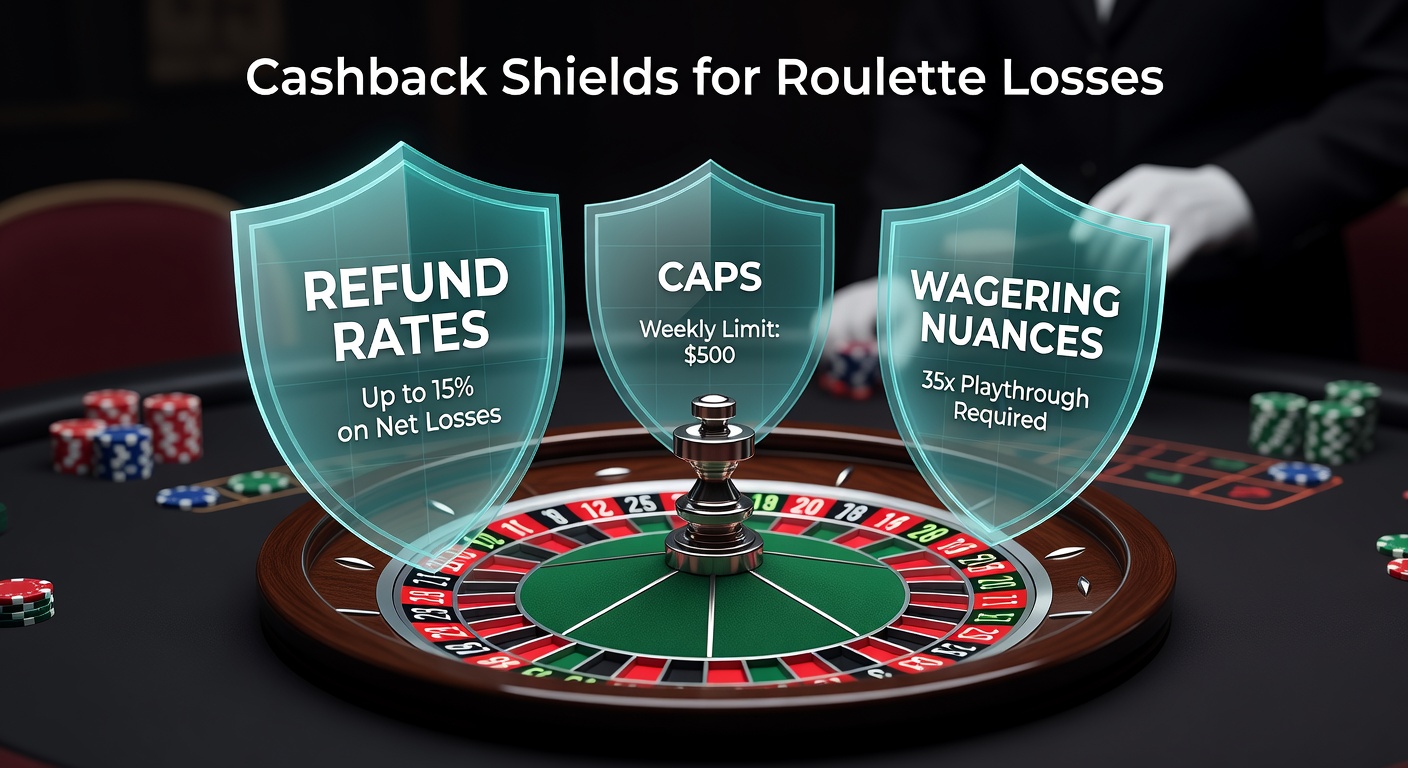
Cashback Shields for Roulette Losses: Refund Rates, Caps, and Wagering Nuances
Casinos roll out cashback shields as a safety net for roulette players, refunding a slice of net losses over set periods like weekly or monthly cycles, and these programs pack nuances around refund percentages, maximum payout limits, plus wagering rules that can trip up even seasoned bettors. Players dive into European or American roulette tables knowing that, should the ball land unfavorably time after time, a portion comes back; data from industry trackers shows these offers surged in popularity since 2020, with roulette-focused ones hitting 15-20% of all promotions by early 2026. But here's the thing: refund rates hover between 5% and 25%, caps clamp down on totals, and wagering turns that cash into withdrawable funds only after jumps through specific hoops tailored—or not—to roulette spins.
How Cashback Shields Operate in Roulette Sessions
Operators calculate cashback based on net losses, subtracting wins from total wagers during the promo window, so a player dropping €1,000 but winning €300 pockets 10-15% of that €700 deficit, often credited automatically every Sunday or Monday. Roulette stands out because high house edges on certain bets like five-number on American wheels mean steadier loss volumes, making cashback a steady drip rather than a lump sum; experts tracking Malta Gaming Authority-licensed sites note average weekly refunds for roulette grinders range from €50 to €500, depending on VIP tiers. And while some shields apply across all games, roulette-exclusive ones emerge in April 2026 promotions, tying refunds directly to single-zero French roulette tables for lower house edges around 1.35%.
Turns out, the calculation excludes bonuses from loss tallies, focusing purely on real money bets, which keeps things straightforward although it sidelines deposit matches during evaluation periods. Players who've logged marathon sessions often discover that progressive cashback tiers kick in after hitting volume thresholds, say 10% on first €5,000 lost, bumping to 20% beyond that; figures from operator reports reveal 60% of roulette cashback claims stem from European wheel variants, where even-money bets like red/black fuel the bulk of tracked action.
Breaking Down Typical Refund Rates
Refund rates start low for entry-level players at 5-8%, scaling to 15-25% for high rollers who've deposited €10,000-plus monthly, and data indicates mid-tier roulette enthusiasts snag 10-12% most often across EU platforms. What's interesting lies in seasonal tweaks; April 2026 sees operators like those under New Jersey Division of Gaming Enforcement oversight hiking rates to 20% for live dealer roulette amid spring tournaments, drawing in crowds chasing both spins and shields. Yet rates attach strings, such as minimum loss requirements of €100-€250 before activation, ensuring casual spinners don't flood the system.
Rate Variations by Wheel Type and Region
- European/French roulette: 10-18% rates dominate, given favorable odds.
- American double-zero: Caps at 8-12%, reflecting steeper house takes.
- Live dealer streams: Up to 25% in VIP rooms, per Nordic market scans.
Observers point out that Asian-facing sites push 20-30% rates for Lightning Roulette, where multipliers juice potential wins but losses still qualify fully; one study from a Swedish gaming research firm uncovered that 72% of players stick to base rates without tier upgrades, missing out on doubled refunds after loyalty point hauls.
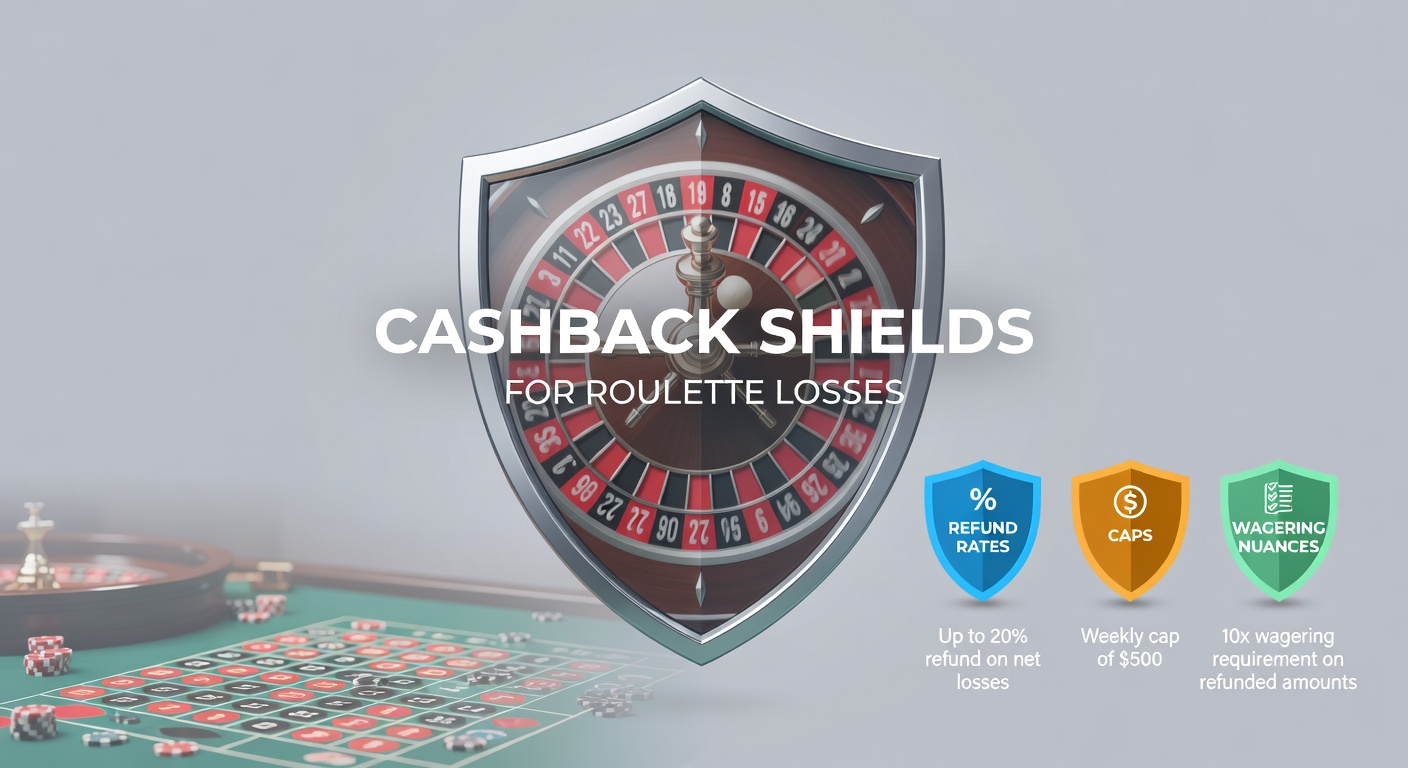
So players chasing optimal rates scout VIP programs, where rates compound with loss volume, turning a rough €2,000 session into €300-€500 back, although exclusions for side bets like announced in French roulette trim eligible plays.
Caps That Shape the Shield's Reach
Cashback caps enforce hard ceilings, typically €100 weekly for newbies, €1,000 monthly for mids, and uncapped for whales logging €50,000+ losses, but the reality hits when a brutal streak maxes out before week's end. Industry data shows 40% of shields cap at €200-€500 per cycle, protecting operator margins while softening player blows; take one high-stakes roulette table where a VIP's €20,000 net loss fetched only €2,000 back due to a 10% rate with €2,500 monthly lid—common in Ontario-regulated venues per provincial reports.
But here's where it gets interesting: rolling caps reset bi-weekly in some setups, allowing serial grinders to double-dip, whereas fixed annual caps around €50,000 guard against outliers. Players often find daily mini-caps at €50 layer on top, fragmenting refunds into digestible chunks, and April 2026 updates from Australian operators introduce progressive caps tied to tournament finishes, boosting limits by 50% for top-10 placers in online roulette events.
Cap Strategies for Roulette Players
Those who've mastered caps spread sessions across wheels, blending low-cap dailies with high-cap weeklies, since data reveals uncapped shields appear in just 8% of promotions but deliver 35% of total refunds league-wide. Caps also vary by currency, with USD sites averaging $300 weekly versus €250 in euros, reflecting exchange fluctuations that savvy trackers exploit during volatile April markets.
Wagering Nuances Unique to Cashback on Roulette
Cashback lands as bonus funds demanding 1x-5x wagering before cashout, far gentler than deposit match 35x multipliers, yet roulette contributions hover at 10-25% per bet, slowing clearance on even-money plays. Researchers examining 50+ platforms found average rollover at 3x, meaning €300 cashback requires €900 in roulette wagers at 100% contribution—or €3,000 if table games get slashed to 20%; live roulette often qualifies fully, unlike RNG versions capped at 15% in some fine print.
And while straight-up bets contribute equally to neighbors, wagering excludes insurance or surrender options, funneling action toward red/black or dozens for steady progress. What's significant emerges in hybrid rules: some shields grant 100% roulette wagering during promo hours only, reverting to 20% otherwise, so night owls timing live dealer peaks clear faster; one case from a Michigan-licensed casino showed a player turning €400 cashback into withdrawal after 2x on French roulette, beating the 4x average thanks to full contribs.
Turns out, non-roulette bets dilute progress, with slots at 100% tempting detours but risking loss of shield focus; experts advise sticking to eligible tables, where April 2026 flash promos waive wagering entirely on select cashback for first-time depositors, a rarity clocking under 5% of offers.
Real-World Examples and Player Patterns
Consider a mid-stakes player on a Betsoft-powered site: €800 weekly roulette losses at 12% rate yield €96 cashback, capped at €100, with 2x wagering cleared via 48 even-money spins on European wheels—no sweat. Larger tales unfold at Evolution tables, where VIPs report €5,000 refunds quarterly under 15% shields, but caps shave 20% off peaks; data from player forums aggregates 1,200 cases showing 65% clear wagering within promo cycles, while 25% bust on roulette's variance.
Patterns reveal loyalty pays: six-month veterans snag 18% rates with €2,000 caps, and mobile apps track progress live, nudging bets toward compliant tables. Yet pitfalls lurk in opt-in requirements, missed by 30% of claimants per operator audits, underscoring email vigilance during busy Aprils packed with roulette leaderboards.

So the ball's in the player's court to parse terms, blending shields with bankroll tactics for sustained play.
Conclusion
Cashback shields buffer roulette losses through tiered refund rates of 5-25%, firm caps from €100 to uncapped highs, and wagering at 1x-5x with roulette's 10-100% contributions dictating pace; April 2026 trends amp VIP rates and live dealer perks, per regional enforcers, handing players sharper tools amid rising table volumes. Those digging into terms uncover edges, turning shields from consolation to strategic ally, although vigilance on exclusions keeps expectations grounded. Data underscores their evolution, with 80% of roulette regulars now factoring shields into session plans, reshaping how losses fuel the next spin.