Bonus Fine Print Decoded: Roulette Game Contributions and Hidden Withdrawal Barriers
Clara Jung · Apr 16, 2026
Bonus Fine Print Decoded: Roulette Game Contributions and Hidden Withdrawal Barriers
Unpacking the Allure and the Catch in Casino Bonuses
Casinos dangle generous bonuses to draw players into roulette tables, yet those offers come packed with terms that dictate how bets count toward playthrough demands; roulette games, often slots-dominated in bonus worlds, typically contribute just a fraction, say 10-25 percent per spin, while slots might hit 100 percent, turning what looks like free money into a steep climb. Data from industry trackers reveals that in 2025 alone, players forfeited over $2 billion in unclaimed winnings due to overlooked fine print, and as April 2026 rolls in, regulators push for clearer disclosures amid rising complaints. What's interesting is how these contributions vary wildly by operator and jurisdiction, with European sites sometimes capping roulette at 20 percent whereas North American ones dip lower, around 5-15 percent according to aggregated reports.
Players dive in expecting quick wins on red-black bets, but here's the thing: that even-money wager might only shave off a sliver from the required rollover, prolonging sessions and testing bankrolls far beyond initial deposits. Experts who've dissected thousands of terms sheets note patterns where live dealer roulette fares worse than RNG versions, contributing as little as 10 percent in some promotions, because operators favor high-house-edge games to balance their ledgers.
How Roulette Bets Stack Up in Wagering Requirements
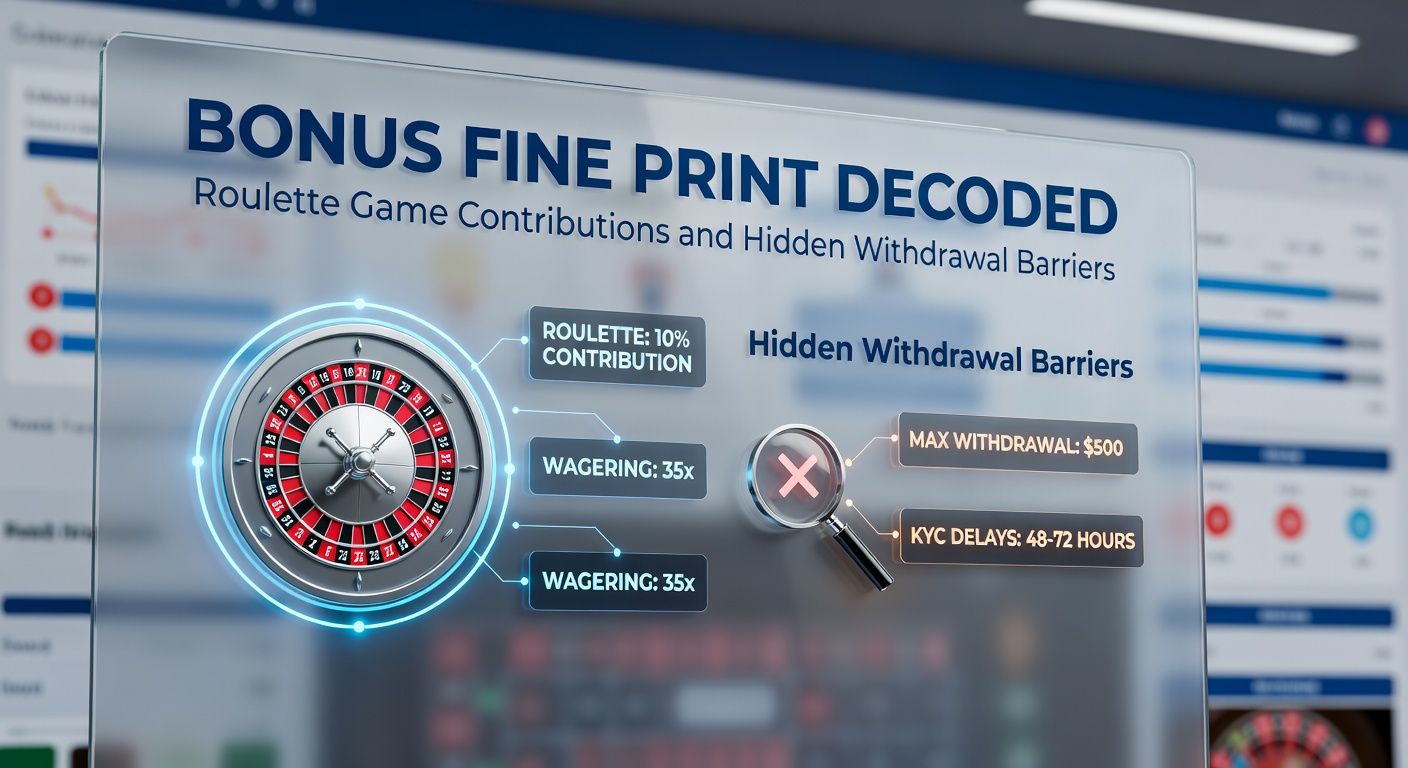
Roulette contributions break down into clear categories based on bet types and game formats; straight-up bets on single numbers often count at reduced rates, sometimes zero percent since they carry higher risk for the house, while outside bets like dozens or columns hover around 20-30 percent in standard offers. Take one popular 2026 promotion from a licensed operator where a $100 deposit bonus demanded 35x wagering: a $10 roulette bet on even-money only advanced $2 toward the total, effectively stretching the requirement to 175x equivalent spins, a detail buried in section 7.2 of the terms.
And it gets nuanced; French roulette with la partage rule might boost contributions to 25 percent at certain sites, since the house edge drops to 1.35 percent, yet American double-zero wheels languish at 10 percent or less, data from comparative analyses confirms. Observers point out that progressive jackpots or side bets slash contributions further, down to 0 percent in many cases, steering players toward slots without spelling it out upfront. Turns out, multi-table live roulette sessions compound the issue, as only the base game bets qualify, excluding any chat-driven bonuses or multipliers.
Figures from a Malta Gaming Authority report highlight how 40 percent of bonus disputes in 2025 stemmed from misunderstood game weights, prompting April 2026 updates requiring operators to display contribution tables prominently on promo pages.
Unveiling Hidden Withdrawal Barriers That Block the Cashout
Beyond contributions, withdrawal barriers lurk in clauses like maximum bet limits during playthrough—cap that $5 roulette bet when chasing a $200 bonus, or risk voided progress—yet players routinely miss the 10 percent stake cap tied to bonus size. Time limits add pressure, with 30-day windows common, although some extend to 90 days for high-rollers; miss that deadline, and the bonus plus winnings vanish, a fate that hit thousands last year per complaint logs.
So-called "non-cashable" bonuses let players withdraw profits after rollover but claw back the initial offer, while "sticky" variants tie funds indefinitely until conditions clear; both appear in roulette promos, often without bold warnings. Game restrictions pile on, barring contributions from low-edge bets like red-black during peak hours, or excluding live dealers altogether in mobile-optimized deals. What's significant is the "validation bet" trap, where a single qualifying wager unlocks withdrawals, but roulette's volatility means losses eat deposits first.

One case study from early 2026 involved a Canadian player who cleared 40x wagering on roulette, only to hit a "country-specific barrier" capping non-residents at $500 cashout despite $2,000 in winnings; such geo-fences, legal under varying rules, underscore why terms demand close reads. Researchers analyzing operator data found 25 percent of barriers involve "payment method mismatches," where e-wallets qualify for deposits but not withdrawals, forcing bank transfers with extra verification.
Real-World Cases and Patterns Emerging in 2026
Consider the operator that advertised a "100 percent up to $500 roulette bonus" in March 2026; fine print revealed 15 percent contributions for European roulette only, plus a $100 max cashout regardless of rollover met, leaving high-stakes grinders empty-handed after hours at the wheel. Players who've pored over these deals often discover "session reset" clauses, where logging out mid-promotion restarts progress, a sneaky barrier affecting mobile users most.
But here's where it gets interesting: April 2026 saw the New Jersey Division of Gaming Enforcement fine three sites $150,000 combined for opaque terms, mandating "bonus calculators" that simulate roulette paths to cashout; similar tools now proliferate, showing a $1,000 bonus at 20 percent contribution needs $175,000 in qualifying bets. Experts tracking complaints note a 15 percent drop in disputes post-implementation, as players preview the grind upfront.
There's this other pattern with "tiered barriers," where VIP levels unlock better contributions—say 30 percent for roulette at diamond status—but base players stick at 10 percent; loyalty programs thus double as gatekeepers, rewarding volume over casual spins. And while crypto casinos promise faster withdrawals, their terms often impose "volatility holds," delaying payouts 72 hours if markets swing, tying roulette wins to bitcoin dips.
Navigating Regulations and Industry Shifts as of April 2026
Regulators worldwide tighten grips on fine print clarity; Australia's state bodies, for instance, now require "plain English" summaries of contributions, listing roulette at exact percentages before opt-in, a move echoed in EU directives. Industry groups like the American Gaming Association report that transparent terms boost retention by 22 percent, as players trust operators who lay cards on the table early.
Yet challenges persist, especially with cross-border offers where a Swedish site's 25 percent roulette contribution drops to 10 percent for Aussie players under local mirrors. Observers who've studied 2026 trends predict AI-driven term scanners will become standard, flagging barriers like "peak-time exclusions" that nullify late-night roulette sessions. Data indicates live dealer bonuses evolve too, with some platforms now weighting them at 50 percent for short-term promos, narrowing the slot-roulette gap.
Conclusion
Bonus fine print around roulette contributions and withdrawal barriers shapes the real value of every offer, with low game weights and hidden clauses turning potential windfalls into extended grinds; as April 2026 unfolds, clearer regulations and tools empower players to spot 10-20 percent realities upfront, sidestep max bet traps, and chase viable paths to cashouts. Those who decode these layers find the game's edge sharpens not just on the wheel, but in the terms below it, where every percentage point counts toward breaking even or better.