Biometric Verification Protocols and Their Influence on Seamless Entry to Live Wheel Promotions
Ellis Neumann · Aug 23, 2026
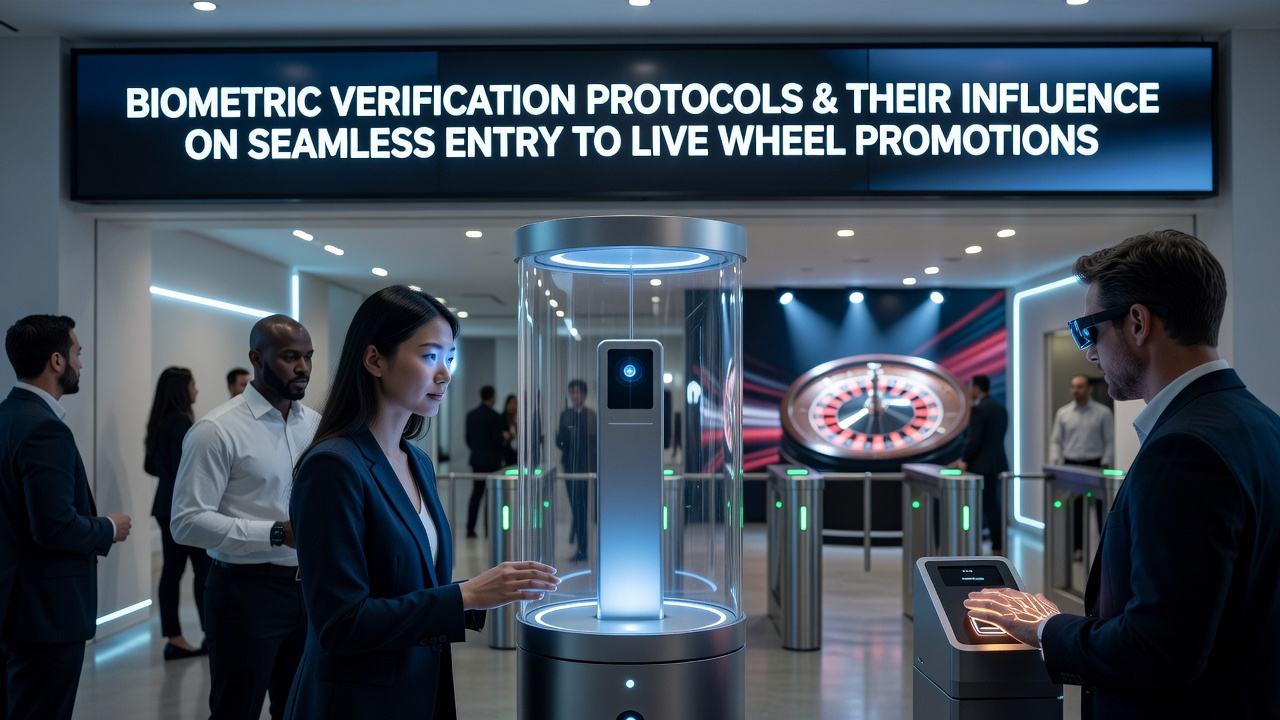
Biometric Verification Protocols and Their Influence on Seamless Entry to Live Wheel Promotions
Biometric verification protocols have become central to how online gaming platforms manage access to live wheel promotions, particularly those involving live dealer roulette where real-time identity checks determine eligibility for time-sensitive bonuses and reward escalations.
Core Components of Biometric Systems in Gaming Environments
These protocols typically rely on fingerprint scanning, facial recognition, and voice analysis to confirm player identity before granting entry to promotional features, and data from regulatory bodies indicates that platforms integrate these tools to streamline verification processes that once required multiple manual steps. Researchers have documented how facial recognition algorithms compare live captures against stored templates, while fingerprint systems use capacitive sensors to match ridge patterns in under two seconds on average.
Platforms often combine multiple modalities so that a single successful match unlocks promotional dashboards containing live wheel incentives, and this layered approach reduces instances of account sharing that previously blocked bonus claims. Observers note that error rates in these systems have declined steadily since 2024, with studies showing false rejection figures dropping below 1.5 percent in controlled tests conducted across European and North American sites.
Integration With Live Dealer Promotion Workflows
Live wheel promotions depend on quick authentication because dealer sessions run continuously and time-limited offers expire within minutes, so biometric entry points allow players to move from account login directly into active tables without separate code entry or email confirmations. When a player initiates a session during peak hours in August 2026, the system performs a passive facial scan via device camera, cross-references it with regulatory-approved databases, and immediately displays available roulette incentives such as matched deposits or cashback tiers tied to dealer rounds.
Industry reports highlight that this integration shortens the average time from login to promotional participation by 40 percent compared with legacy methods, and regulators in regions like Ontario have required platforms to log each verification event for audit trails. The Alcohol and Gaming Commission of Ontario has published guidelines requiring encrypted storage of biometric templates to prevent unauthorized access during these rapid promotion handoffs.
Security Measures and Regulatory Compliance Factors
Encryption standards such as AES-256 protect biometric data during transmission, while on-device processing keeps raw images from leaving the player's hardware in many implementations. Platforms that adopt these measures report fewer compliance issues when distributing cross-border roulette rewards, and research from academic institutions shows that hybrid systems using both biometrics and behavioral analytics further limit fraud attempts during live sessions.

Yet the rollout varies by jurisdiction, with some markets mandating opt-in consent screens before any scan occurs, and this requirement adds a brief step that operators balance against the overall speed gains. Data collected through August 2026 demonstrates that jurisdictions enforcing strict consent protocols still achieve verification completion rates above 92 percent when interfaces include clear visual prompts.
Impact on Player Retention and Promotion Accessibility
Seamless biometric entry correlates with higher completion rates for live wheel promotions because fewer players abandon sessions due to verification friction, according to figures released by the European Gaming and Betting Association. Retention metrics improve when repeat players bypass repeated manual checks, allowing them to accumulate loyalty points across multiple dealer tables without interruption. Those who study retention patterns observe that platforms offering biometric options see increased participation in time-zone-adjusted promotions, where offers rotate based on global player activity peaks.
Case examples from hybrid platforms illustrate how biometric gates facilitate entry into esports-linked roulette events, where tournament brackets require verified identities to award hybrid incentives. These systems also support responsible gaming flags by linking verified accounts to self-exclusion lists, ensuring promotional access remains restricted for flagged users even as verification speeds increase.
Conclusion
Biometric verification protocols continue to reshape access pathways to live wheel promotions by reducing friction while maintaining compliance standards across multiple regulatory landscapes. As platforms refine these tools through 2026 and beyond, the connection between rapid identity confirmation and promotional participation grows more direct, supporting both operational efficiency and player engagement metrics without compromising security requirements.