Artificial Intelligence Reshapes Personalized Roulette Reward Distributions in Real-Time Gaming Platforms
Kai Hoffmann · Jul 7, 2026

Artificial Intelligence Reshapes Personalized Roulette Reward Distributions in Real-Time Gaming Platforms
Artificial intelligence systems now process vast streams of player behavior data to adjust roulette reward distributions dynamically during active sessions, and platforms integrate machine learning models that respond to betting patterns within milliseconds. These technologies draw from player history, session length, and game variant preferences to allocate bonuses or cashback offers without manual intervention from operators.
Core Mechanisms Driving AI Personalization
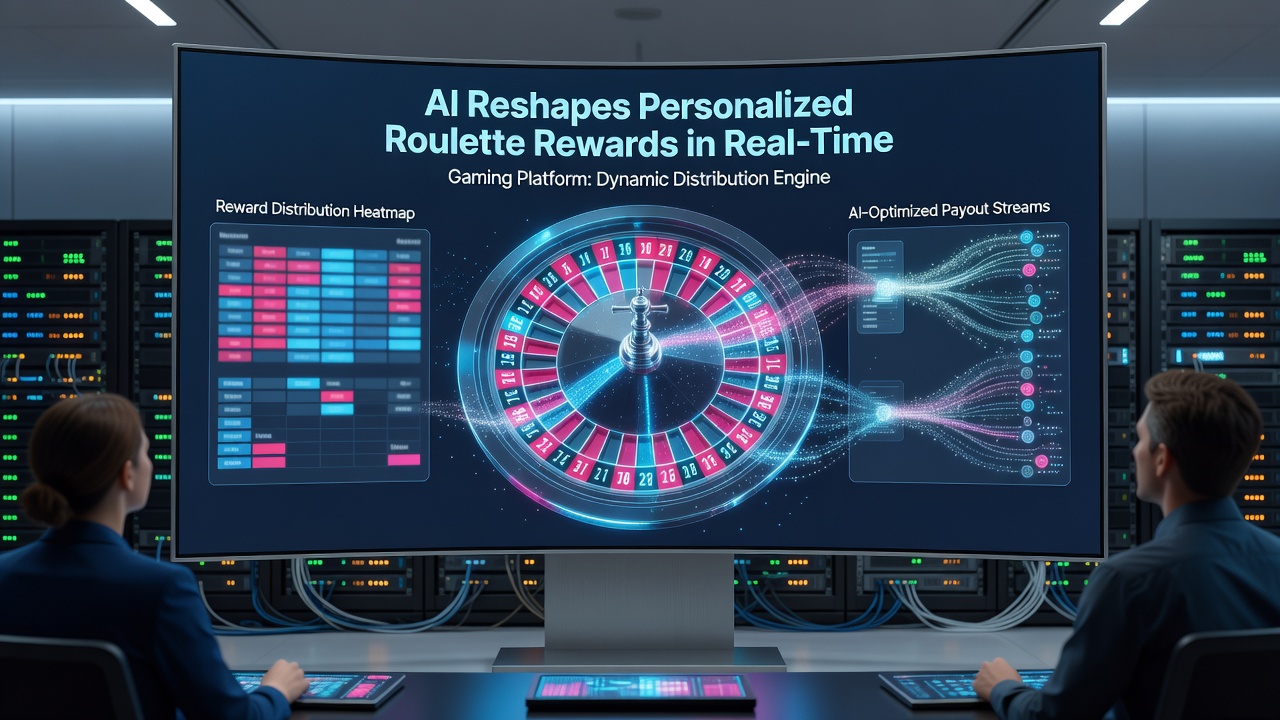
Researchers at institutions focused on computational gaming have documented how neural networks evaluate thousands of variables per second, including wager sizes, wheel selection tendencies, and timing between spins. The models then recalibrate reward probabilities so that high-frequency players receive tiered incentives while occasional participants see different distribution rates, all updated in continuous cycles rather than fixed schedules.
Real-time data pipelines feed information from live dealer interfaces and RNG tables into centralized AI engines, and these engines apply clustering algorithms to segment users into dynamic cohorts. Platforms report that such segmentation allows reward offers to shift mid-session when a player's activity crosses predefined thresholds, creating personalized pathways that evolve based on immediate gameplay metrics.
Implementation Across Global Platforms in July 2026
By July 2026 multiple operators had deployed updated AI frameworks that sync with regulatory reporting requirements in jurisdictions such as Nevada and several Australian states. These systems log every reward adjustment for compliance audits while maintaining the capacity to alter cashback percentages or free-spin allocations on the fly. Data from platform telemetry shows average session durations increased after deployment, though operators attribute the change to refined reward timing rather than any alteration in game mathematics.
Data Sources and Integration Layers
Platform architectures combine on-device processing with cloud-based inference servers to minimize latency, and this hybrid approach lets AI evaluate a player's current streak or deviation from historical norms before the next spin completes. Integration with payment gateways further enables instant crediting of personalized rewards, reducing the delay between algorithmic decision and player notification to under two seconds in most tested environments.
Regulatory and Technical Considerations
Authorities in multiple regions require transparency logs that detail how AI parameters influence reward outcomes, and operators must supply these records upon request. A report issued by the Nevada Gaming Control Board outlines standards for algorithmic accountability in gaming applications, emphasizing audit trails that reconstruct each personalization decision. Similar guidelines appear in documentation from the Australian Communications and Media Authority, which tracks cross-border platform compliance.
Technical teams employ reinforcement learning loops that test reward configurations against retention metrics, and the loops refine distribution curves continuously. Observers note that this method allows platforms to maintain mathematical fairness while varying promotional intensity according to individual profiles, provided the underlying random number generation remains unaltered.
Observed Effects on Player Segmentation
Analytics dashboards used by operators reveal distinct clusters emerging from AI classification, such as risk-tolerant segments receiving volatility-adjusted incentives and conservative segments obtaining steadier reward streams. These clusters update hourly based on fresh data inputs, and the resulting reward offers appear directly within the game interface without requiring players to navigate separate promotion menus.
One documented case involved a European-licensed platform that linked AI reward engines to loyalty tier progression, allowing mid-session tier advancements when certain play patterns aligned with model predictions. The adjustment occurred seamlessly, preserving game flow while delivering targeted benefits calibrated to each user's recent activity.
Future Trajectory of AI in Roulette Reward Systems
Industry reports project further refinement of predictive models that anticipate player churn windows and preemptively adjust reward density, and these projections rest on aggregated datasets spanning multiple jurisdictions. Academic papers from gaming research centers continue to examine the balance between personalization depth and regulatory constraints, focusing on verifiable fairness metrics that remain independent of reward customization layers.
Conclusion
Artificial intelligence has introduced continuous, data-driven recalibration to roulette reward structures on real-time platforms, supported by technical architectures that prioritize low-latency decisions and regulatory compliance. As of July 2026 the approach has expanded across several markets, with documented integration of machine learning for cohort-specific distributions. Ongoing developments center on maintaining transparent audit mechanisms while expanding the granularity of personalization available to operators.